Classroom Curriculum.
Throughout my teaching experience, I have planned lessons and designed my own Visual Art and Graphic Design curriculum based on the NYS Visual Art Standards and the Visual Art Blueprint for Elementary and Middle School aged students. Below are selected projects that we have worked on.
Grade 3
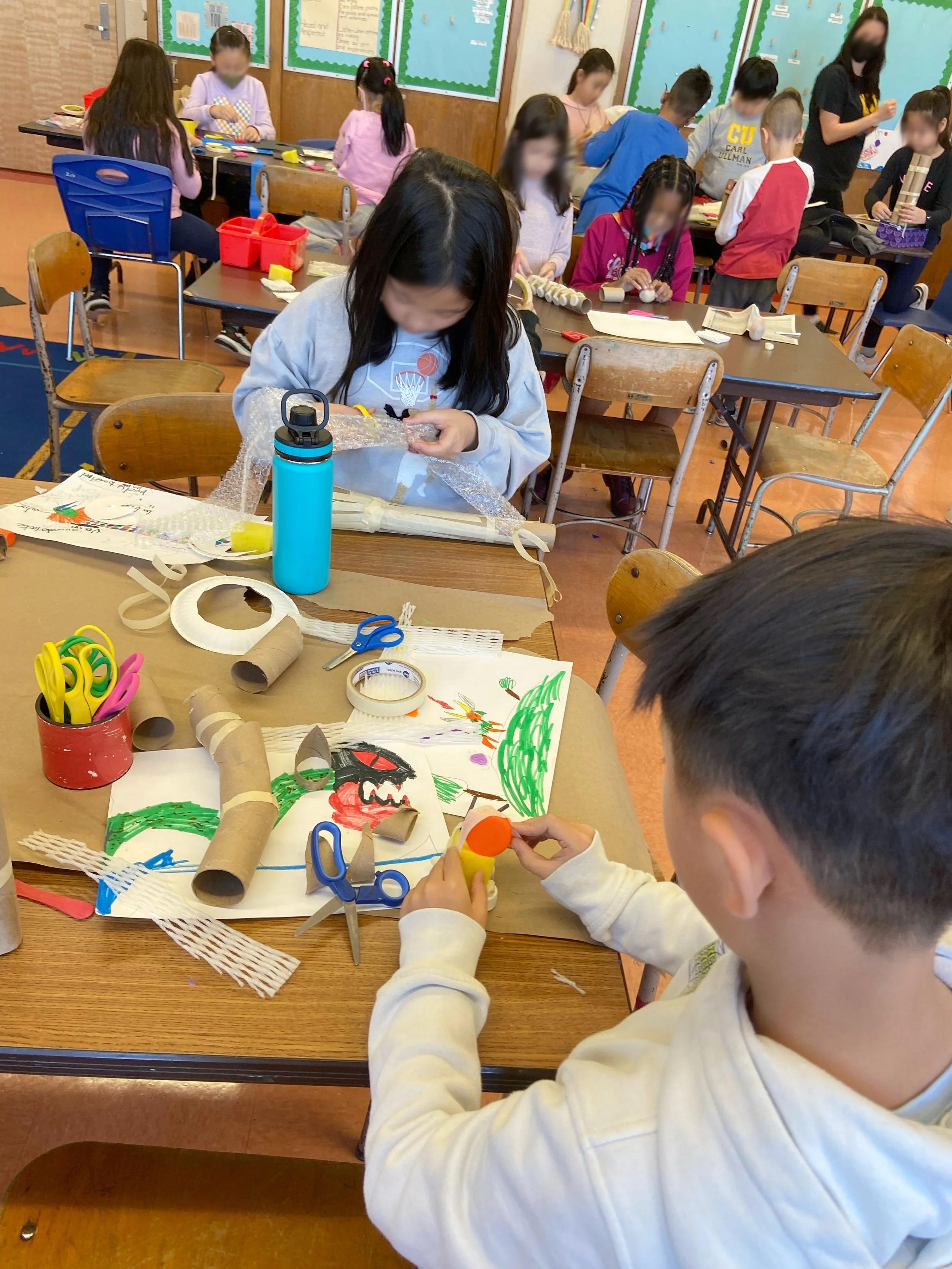
Imaginary Animal
Art mediums: Recycled Materials
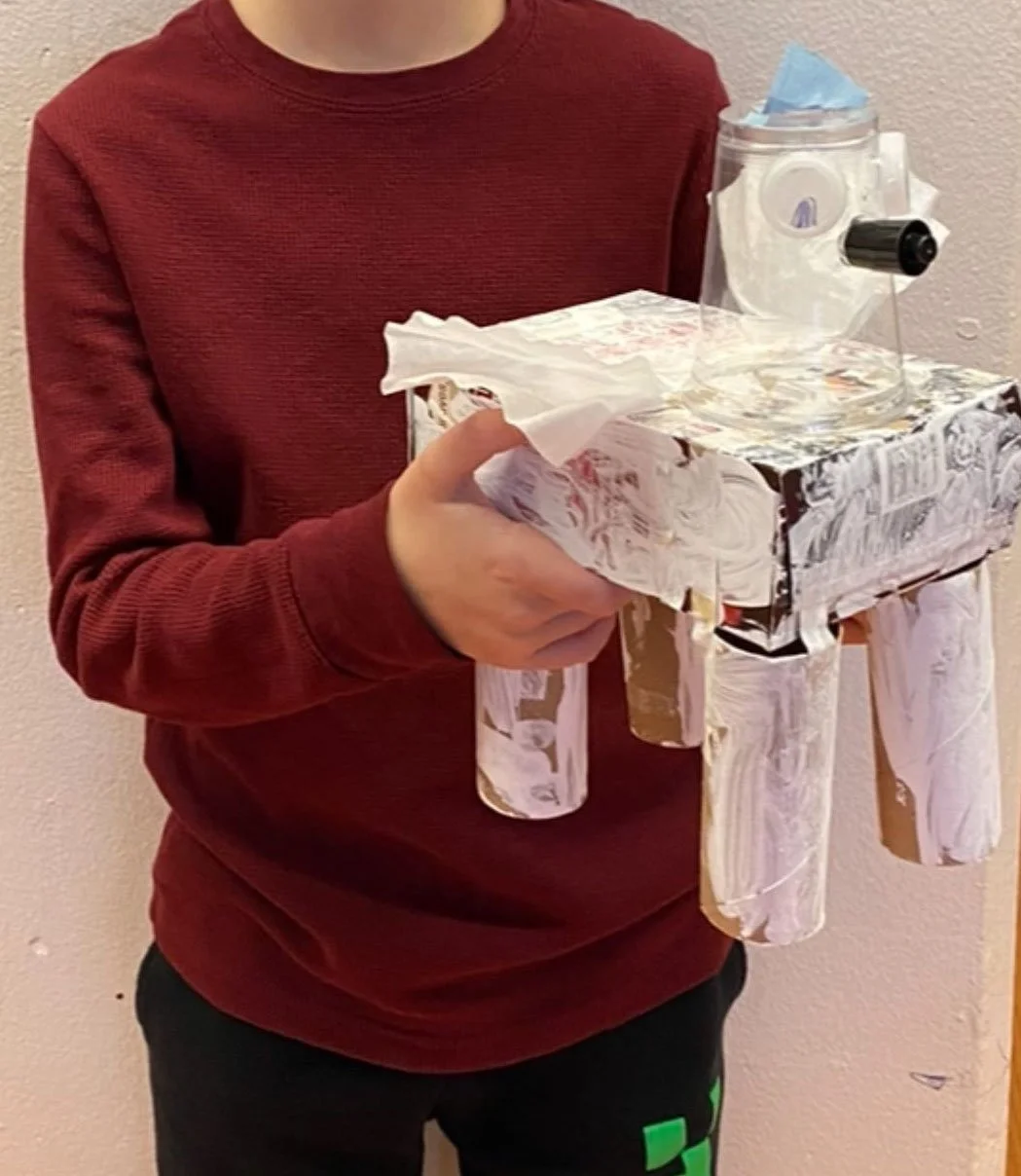
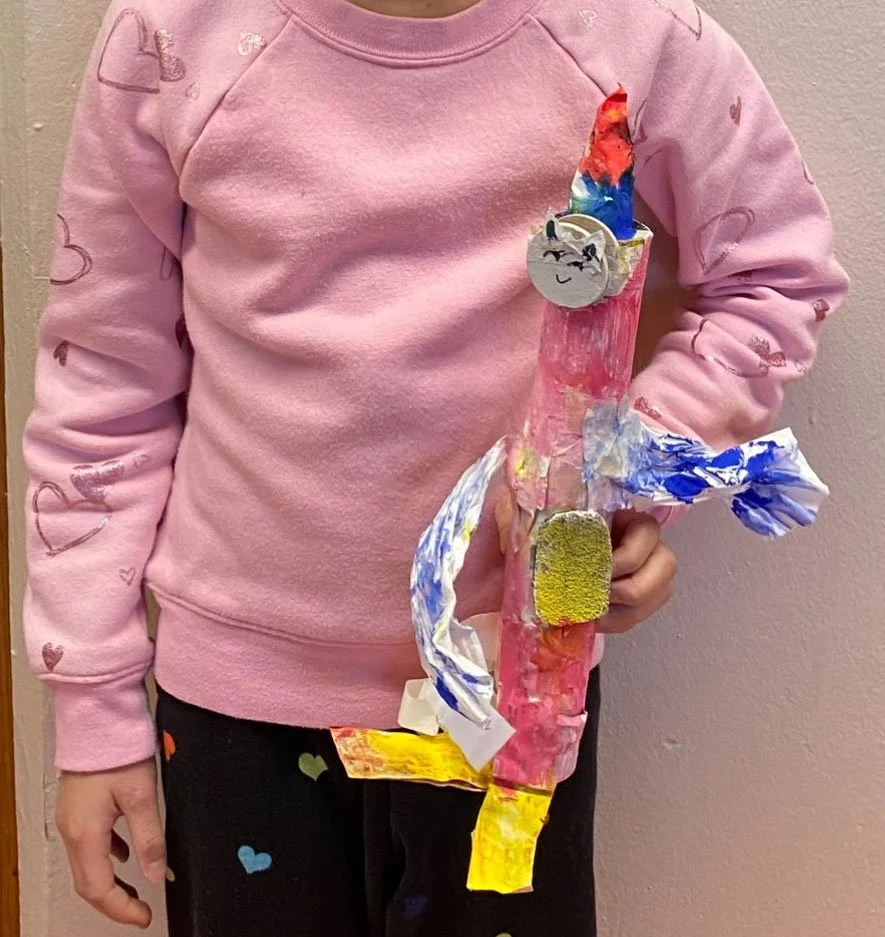
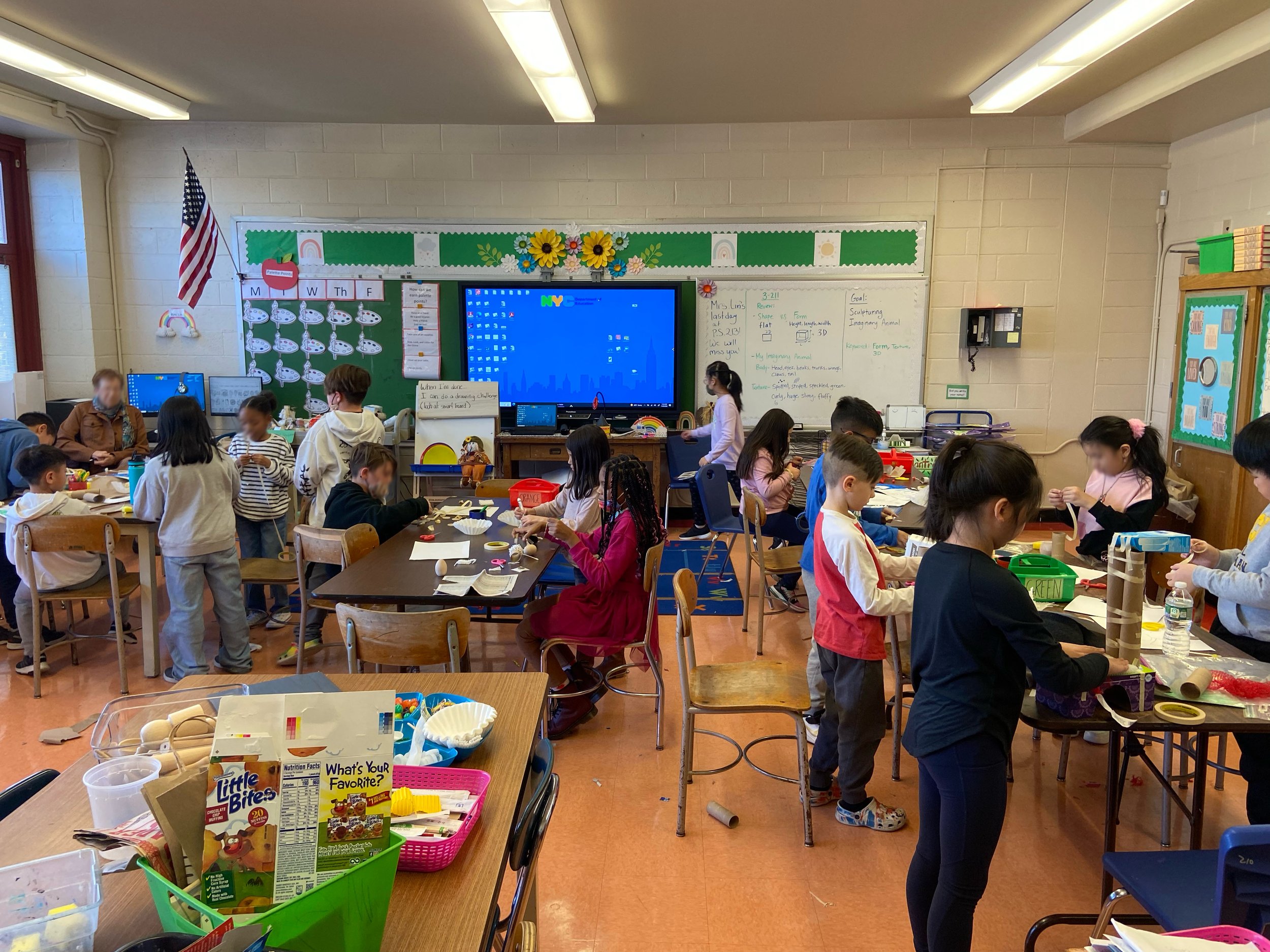
Students learned the definition of “form” in Art. They sketched and labeled their imaginary animal design. They sculptured a 3D animal using recycled materials then added Acrylic paint.
Essential Question:
How does artists use imagination and creativity in their explorations and development of ideas and images?
Differentiated Instruction:
Modification: Physical Challenges- Provide binder clips to hold paper together while the glue dries. This reduces hand fatigue and frustration. Provide small styrofoam balls students can use for parts of the animal. Student Choice + Explore: What materials work well together?
National Standards in Art:
VA:Cr2.1.3a- Create personally satisfying artwork using a variety of artistic processes and materials.
VA:Cr1.2.3a- Apply knowledge of available resources, tools, and technologies to investigate personal ideas through the art-making process.
VA:Cr1.1.3a- Elaborate on an imaginative idea.
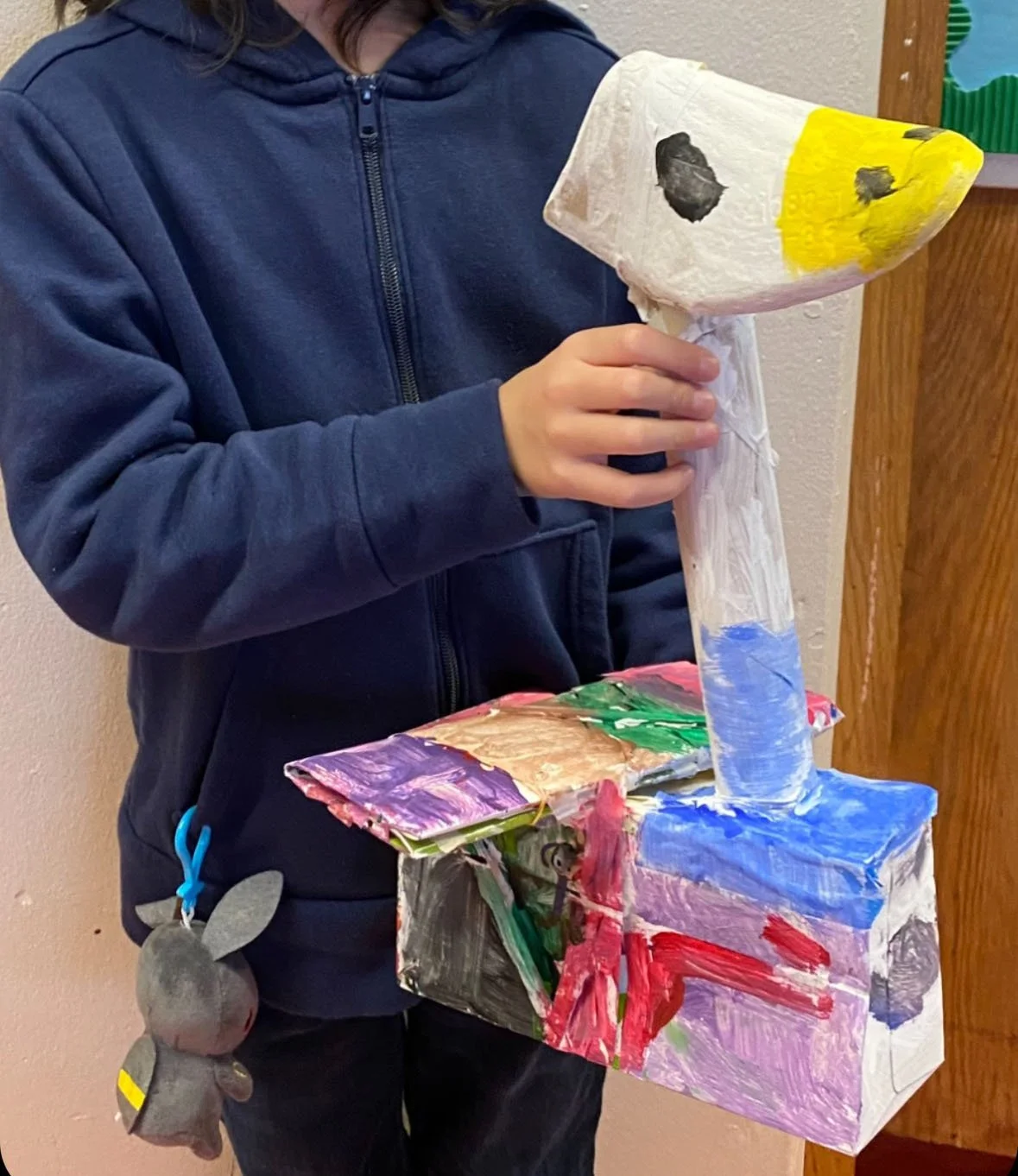
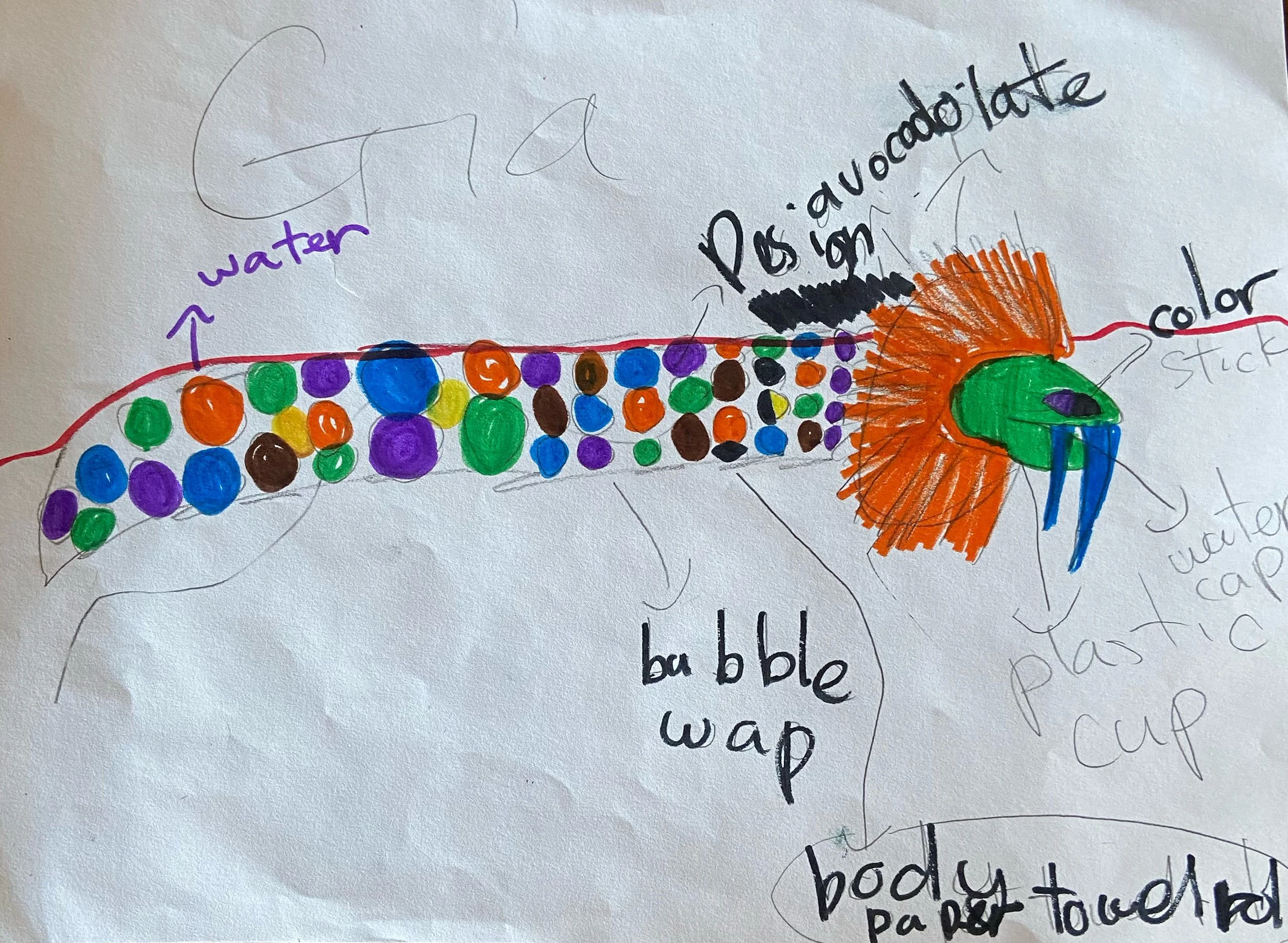
Students learn to label materials and plan their use in advance.
Kindergarten
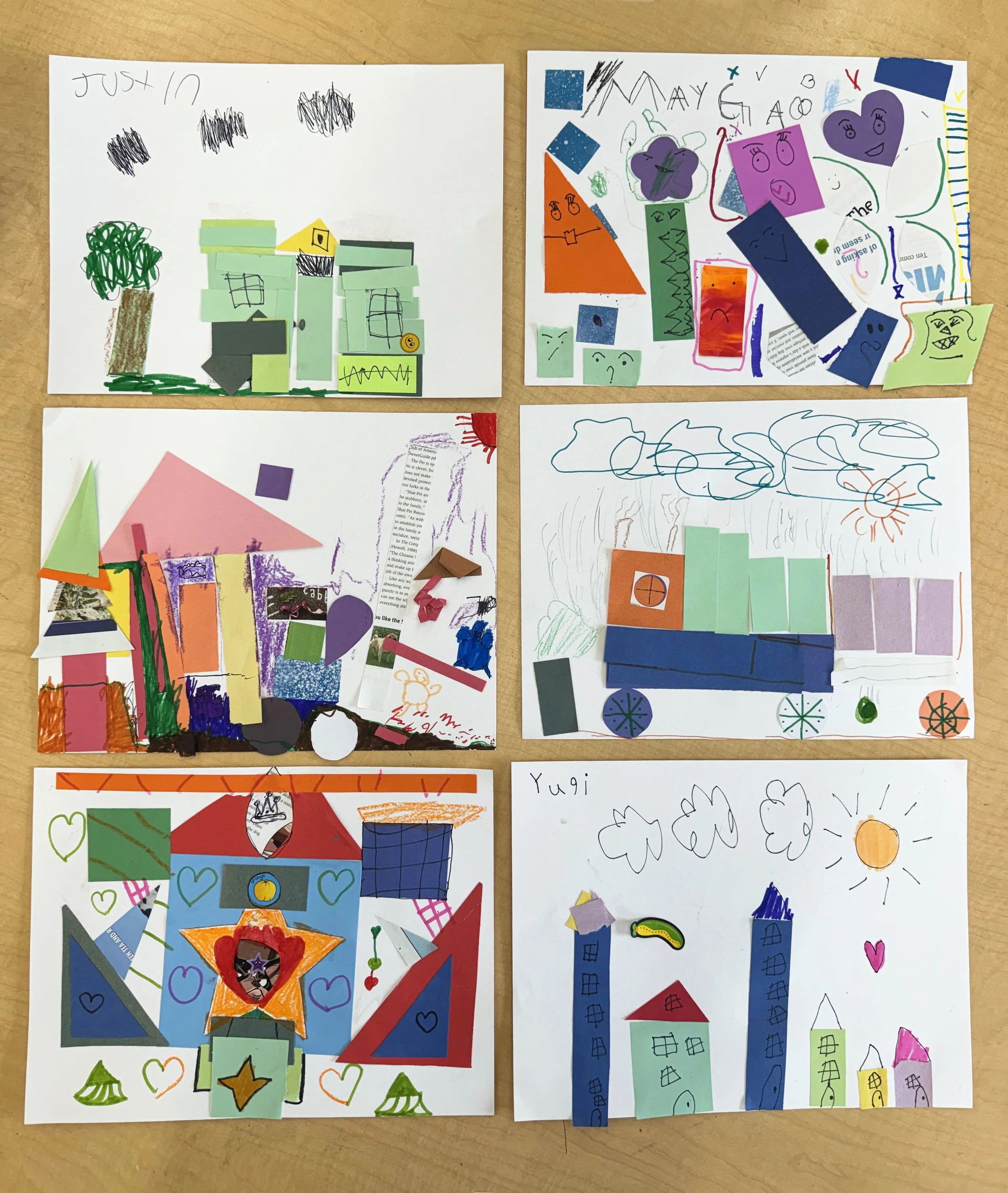
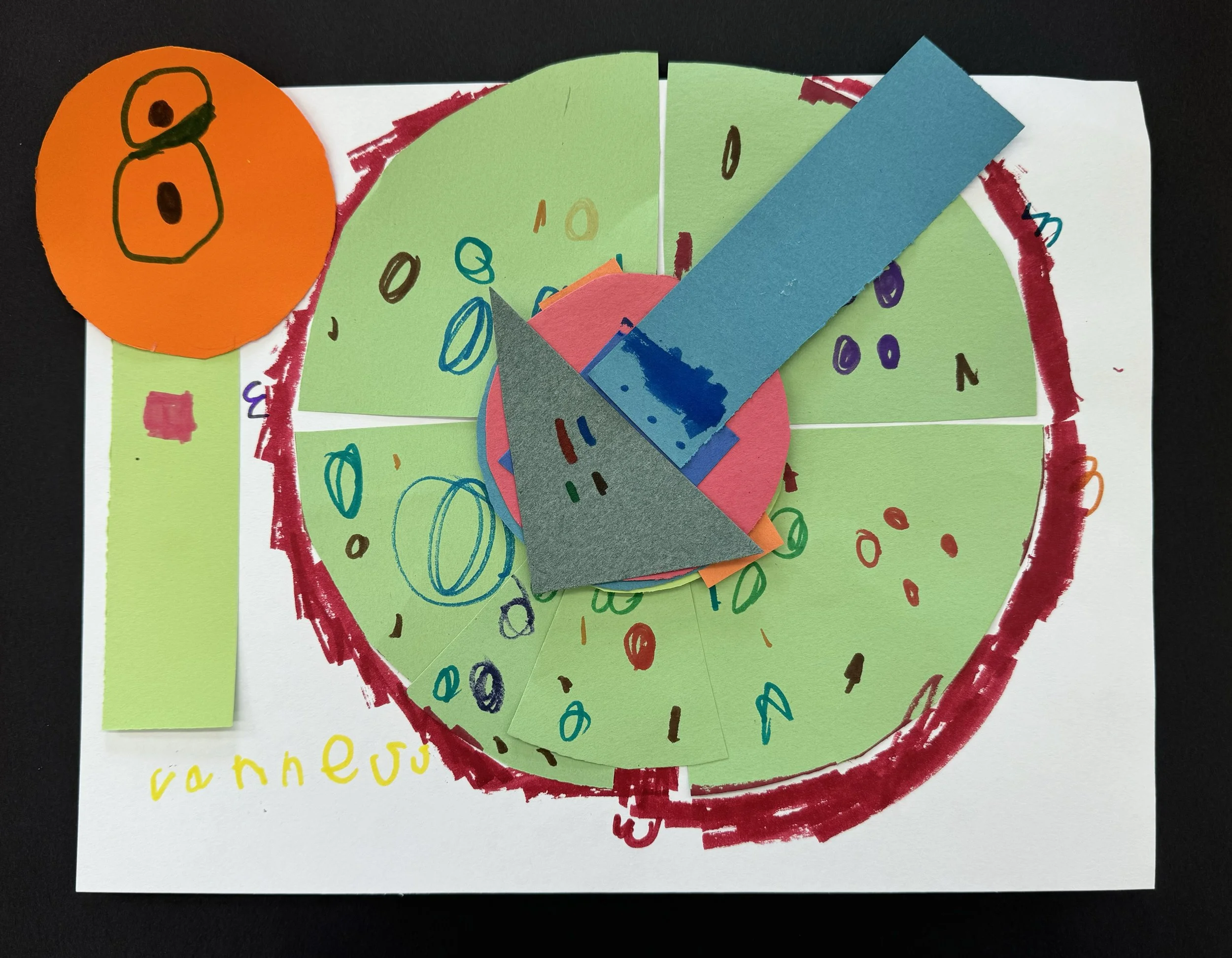
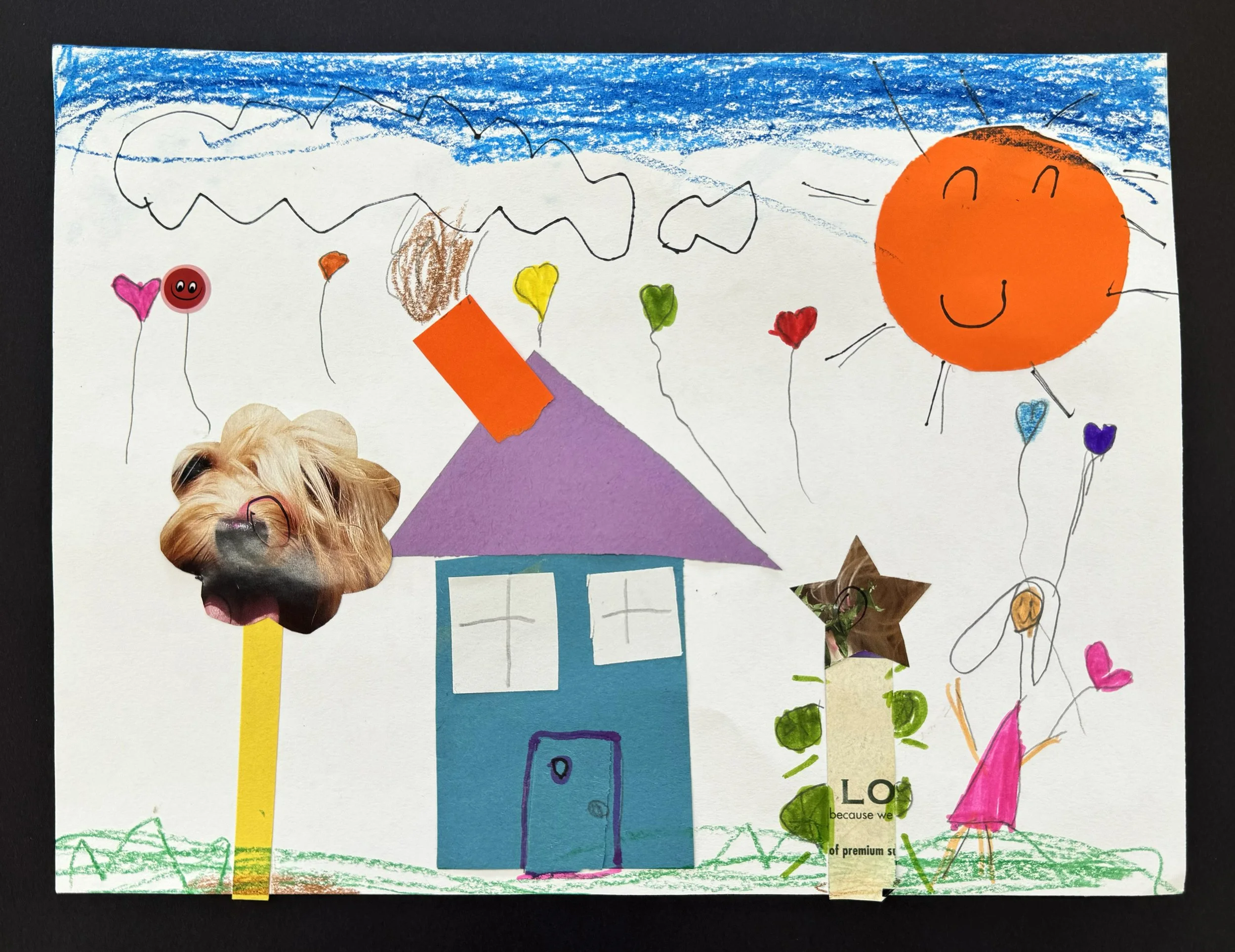
Exploring Shape Collage
Elements of Art: Shape
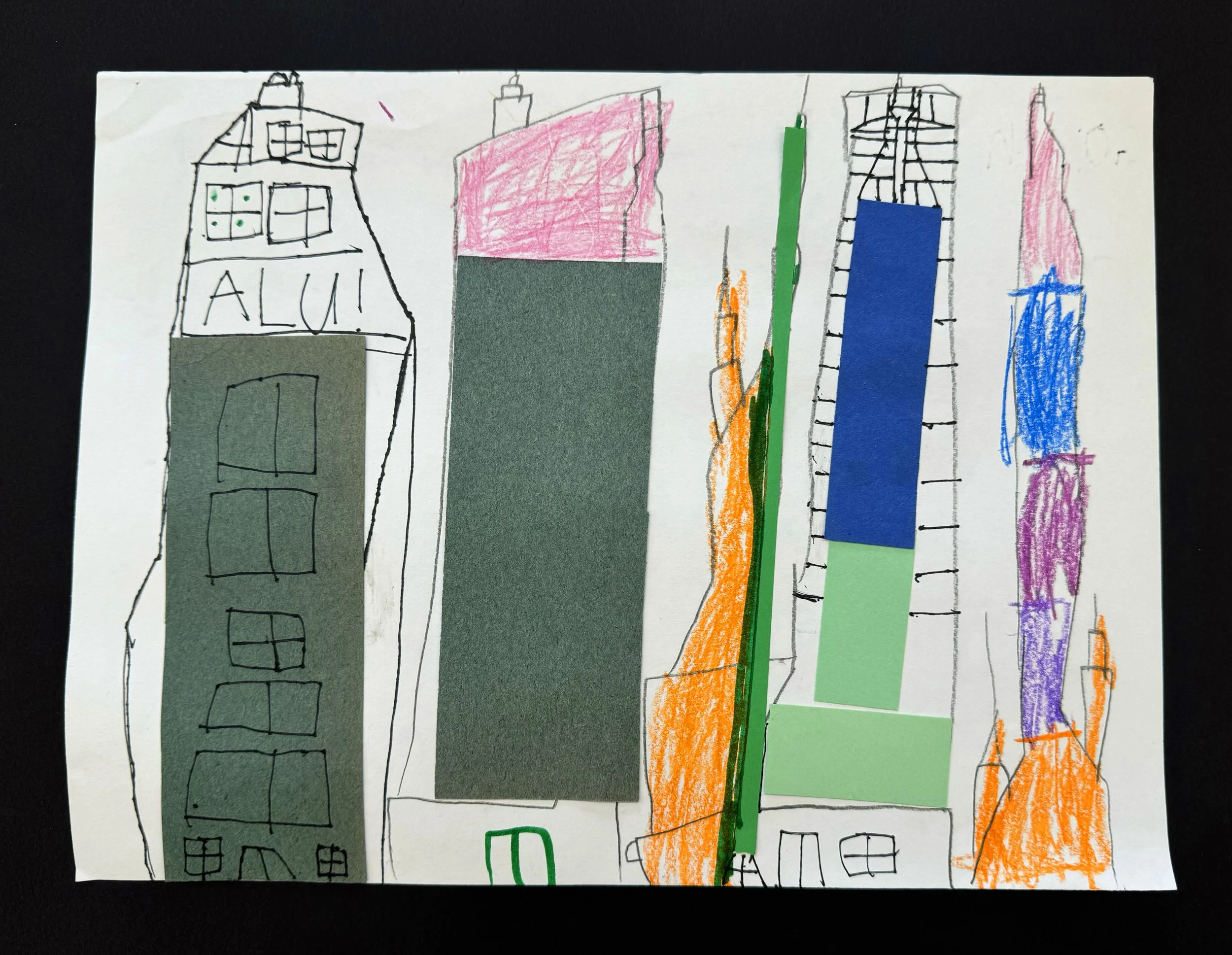
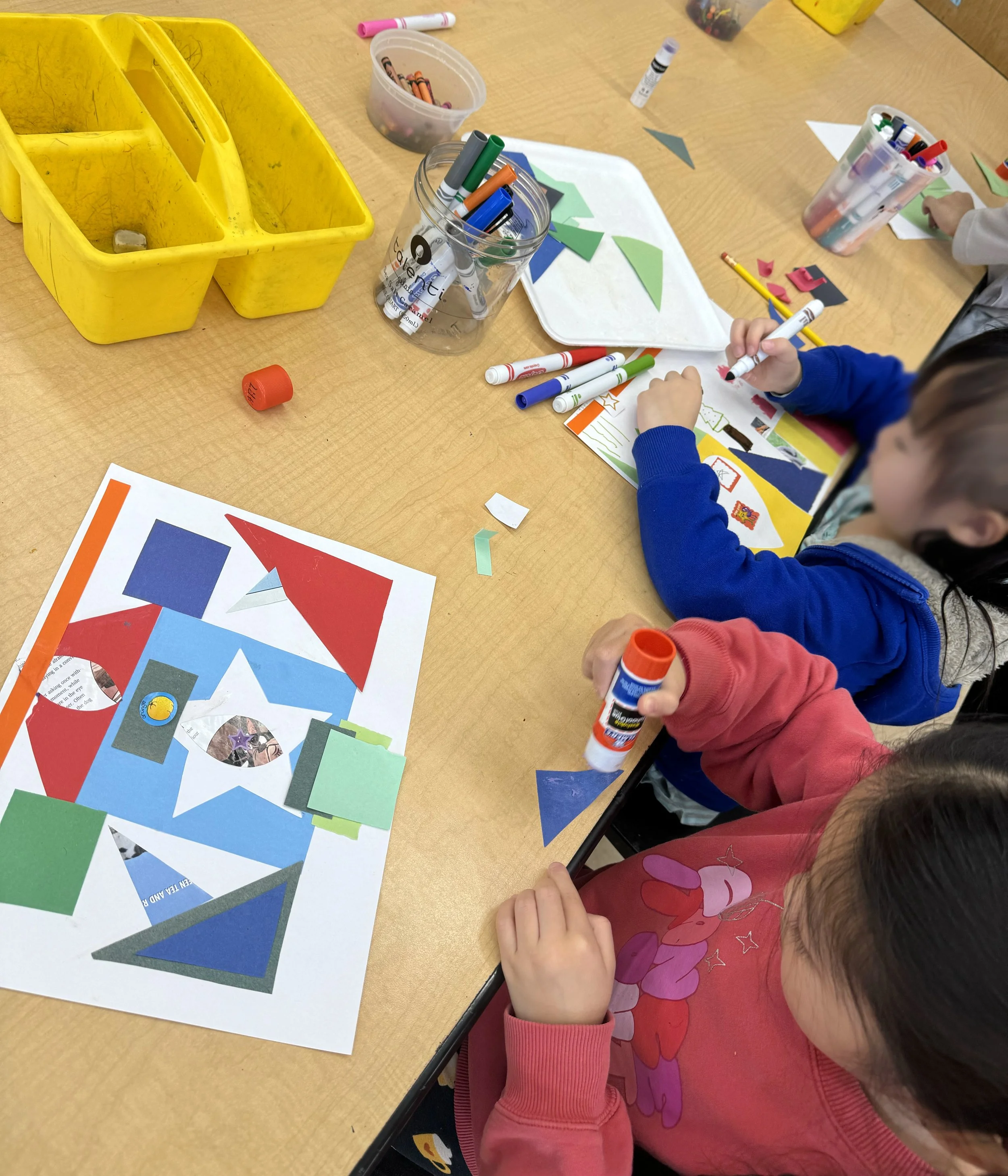
Students learn the definitions of shapes, explore hexagons and semicircles, and create a collage using glue and scissors to develop fine-motor skills and imagination.
Children’s Book:
The Shape of Things by Dayle Ann Dodds
Q: How can shapes be used to make different things?
National Standards in Art:
VA:Cr1.1.Ka Engage in exploration and imaginative play with materials.
VA:Cr2.1.Ka Through experimentation, build skills in various media and approaches to artmaking.
Differentiated instruction:
- Provide pre-cut shapes or thicker paper that is easier to cut.
- Use adaptive or spring-loaded scissors.
- Allow tearing instead of cutting.
- Pair students for peer modeling
- Pre-teach vocabulary (cut, glue, shape, collage) with visuals
- Encourage storytelling about their collage (“What is happening in your picture?”)
Grade 2
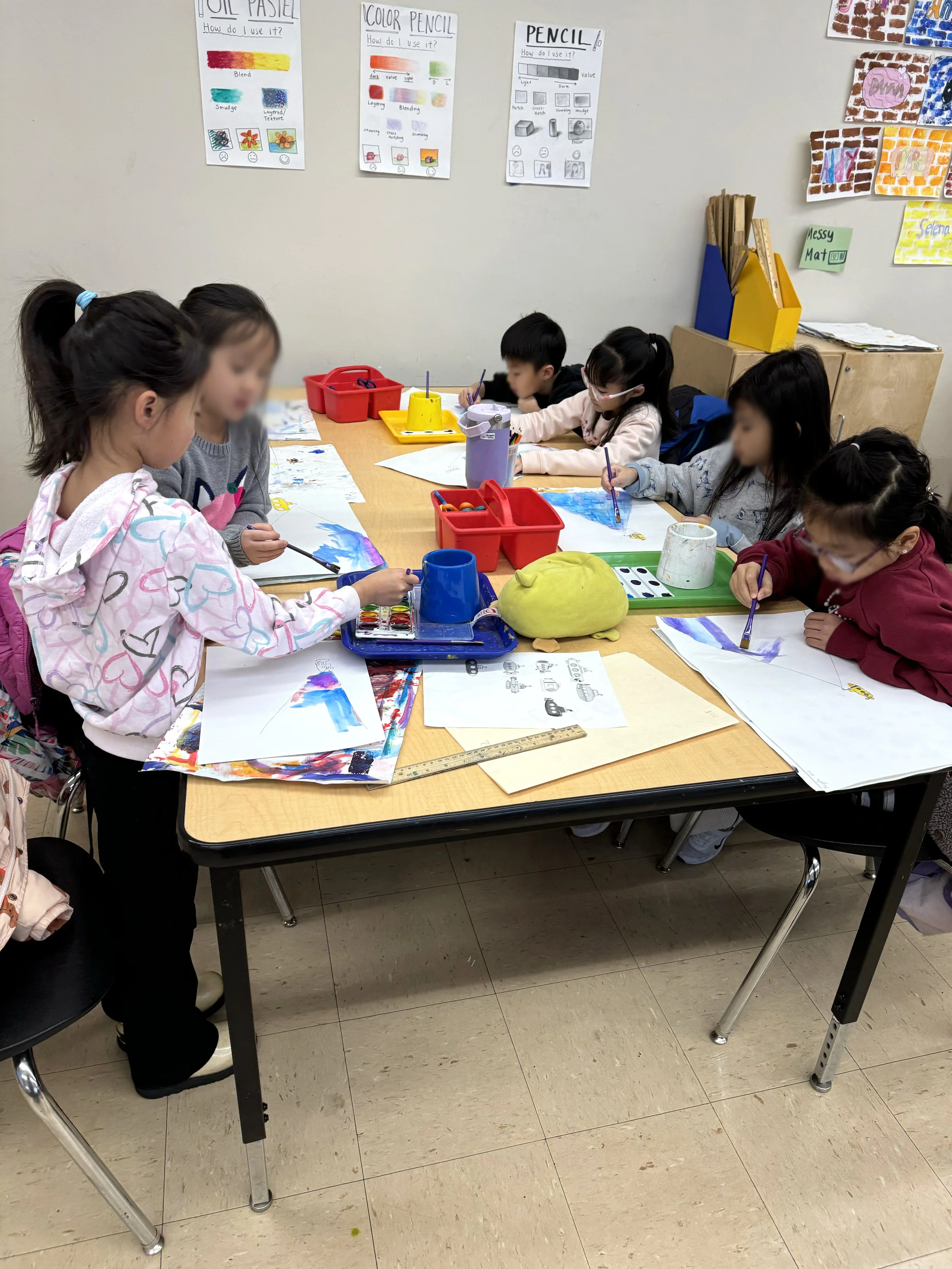
Deep Sea
Elements of Art: Color
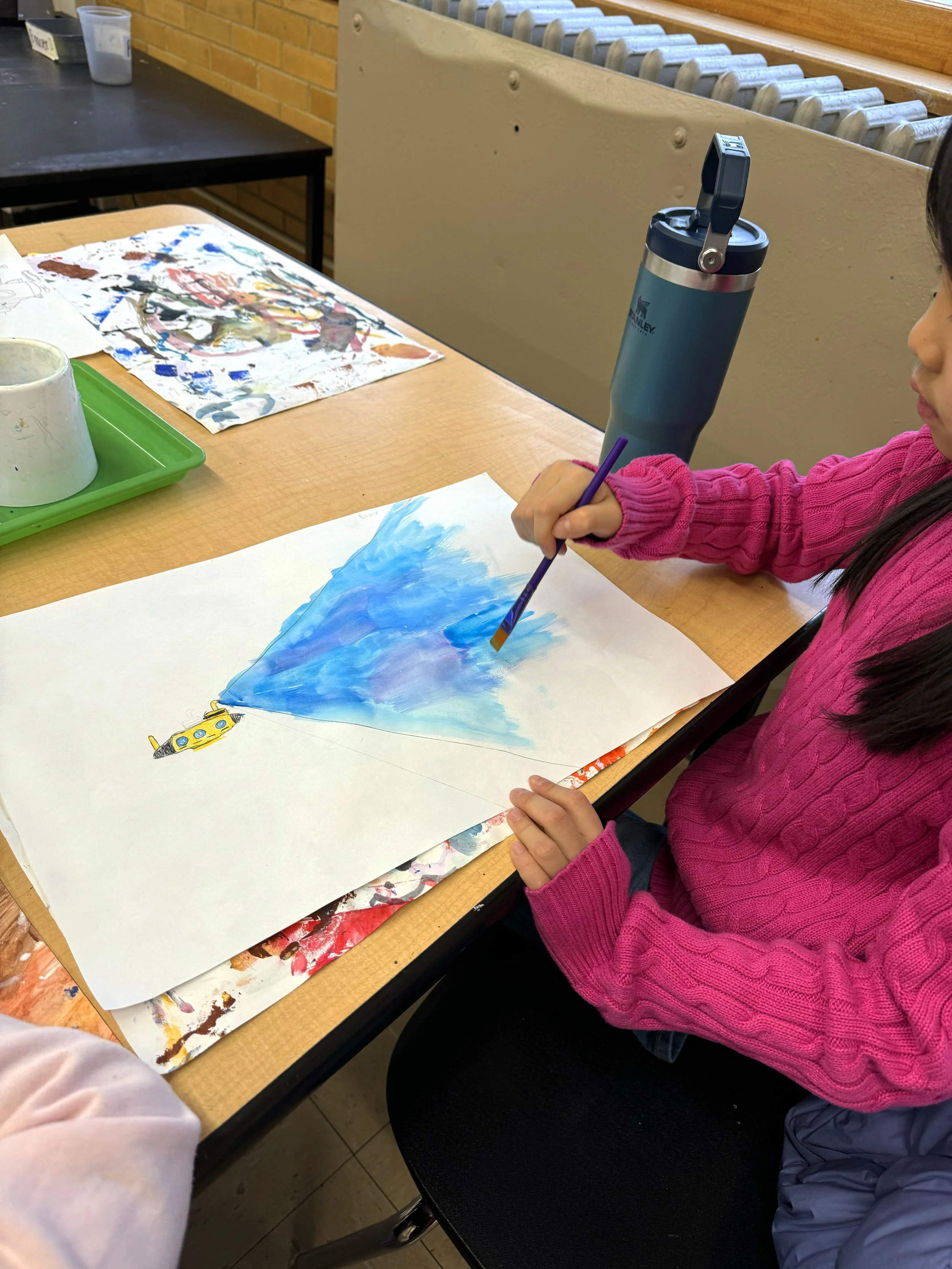
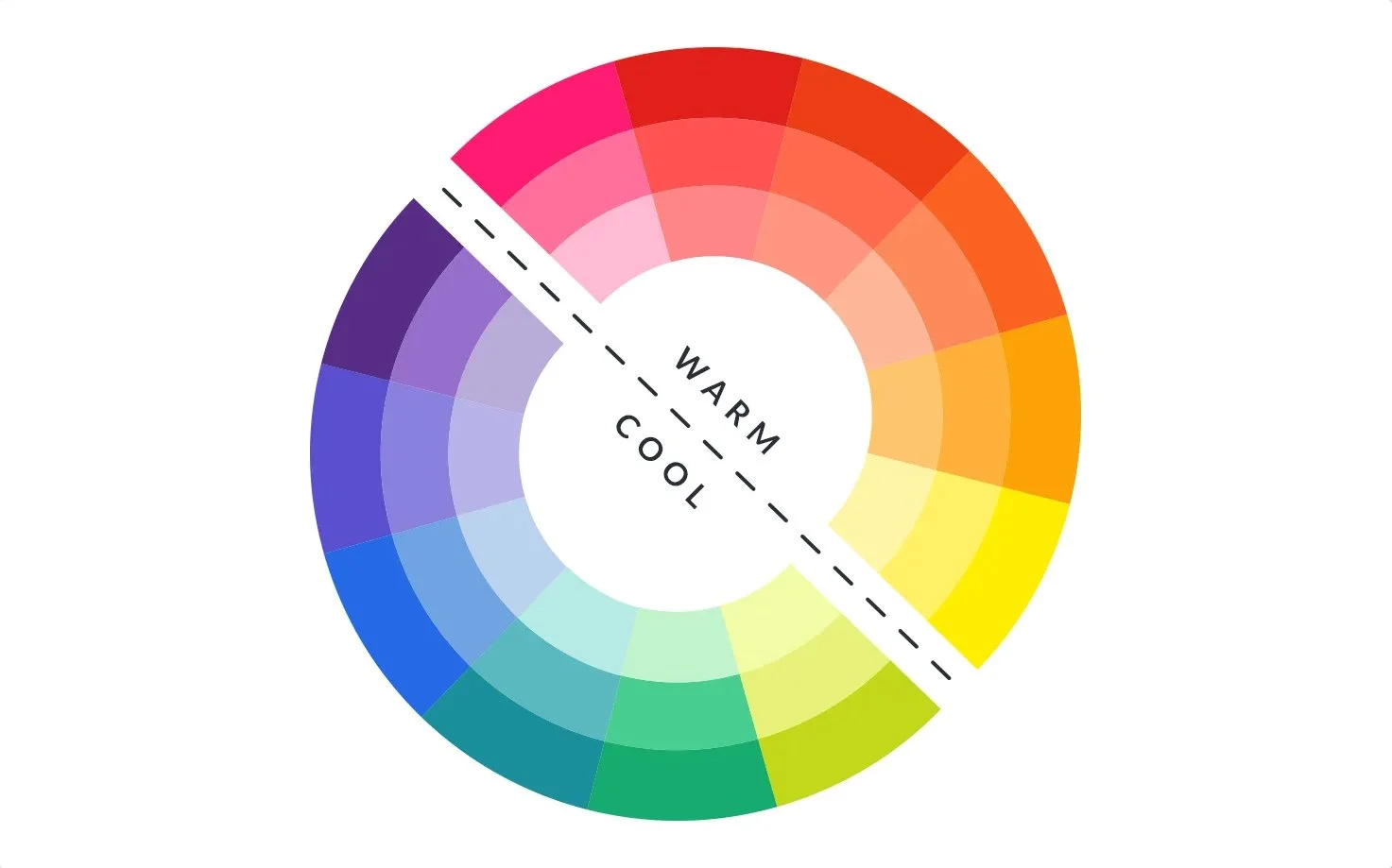
Students identify and compare warm and cool colors and explain how color can create mood in artwork. They practice blending cool colors using watercolor techniques to create an imaginative deep-sea discovery scene.
Essential Question:
How do cool colors help create a mood in a seascape?
Cross-curricular connections: Science/Geography- Twilight & Midnight zone
National Standards in Art:
VA:Re8.1.2a- Interpret art by identifying the mood suggested by a work of art and describing relevant subject matter and characteristics of form.
VA:Cr1.1.2a- Make art or design with various materials and tools to explore personal interests, questions, and curiosity.
VA:Cr2.2.2a- Demonstrate safe procedures for using and cleaning art tools, equipment, and studio spaces.
Differentiated instruction:
- Provide step-by-step visual demonstrations (wet-on-wet, color blending)
- Encourage mixing two cool colors to create new shades
- Pre-teach vocabulary with visuals (cool colors, blend, seascape)
- Enrichment: Explore real ocean photography as inspiration
Grade 2/3
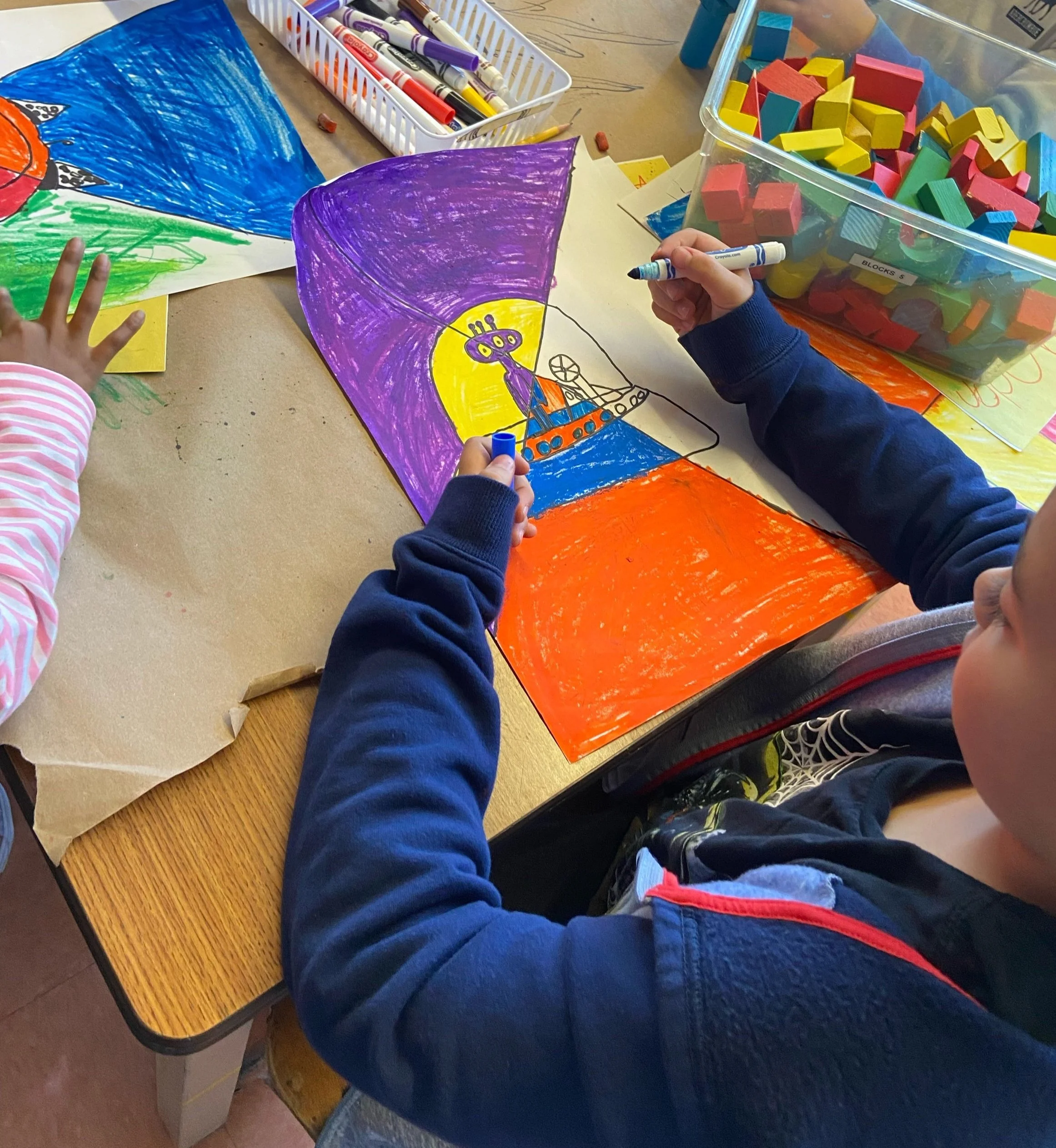
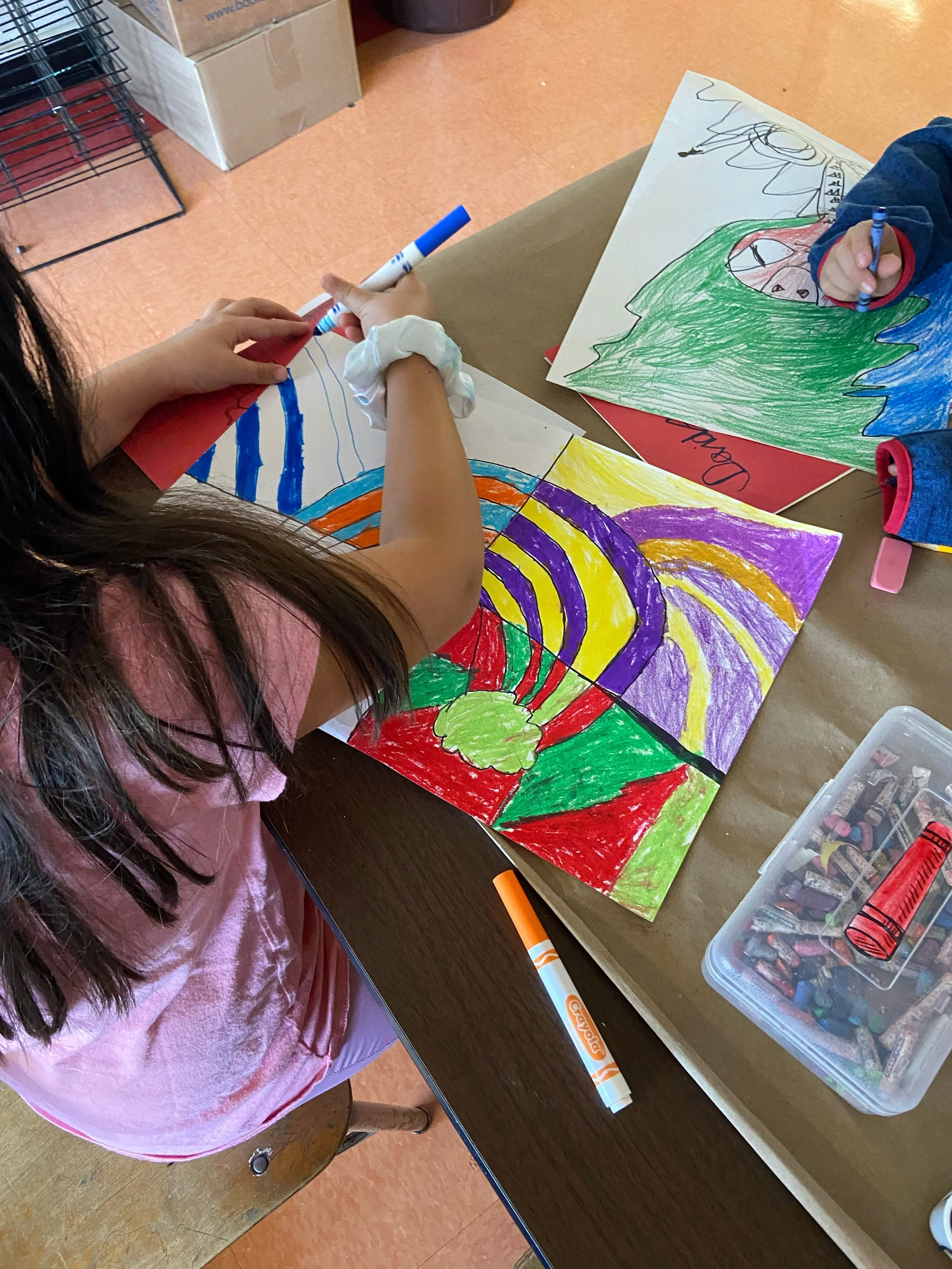
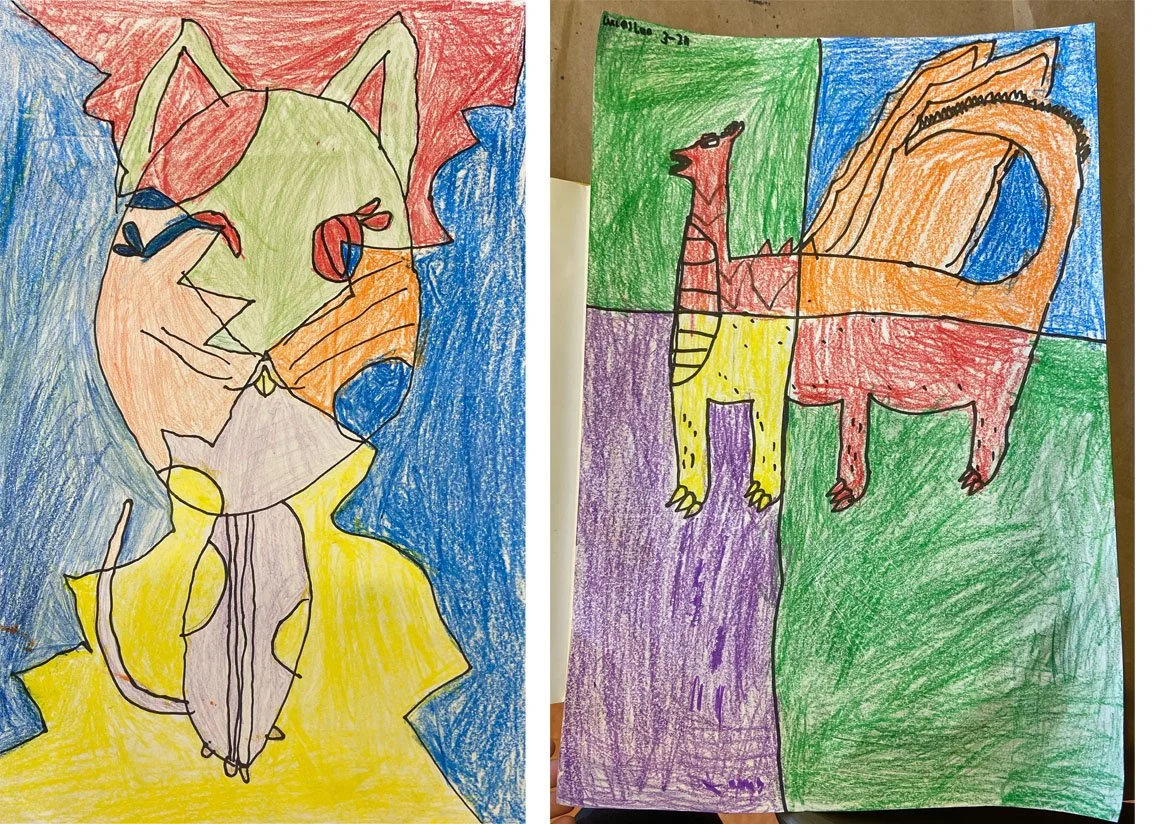
Complementary Colors
Elements of Art: Color
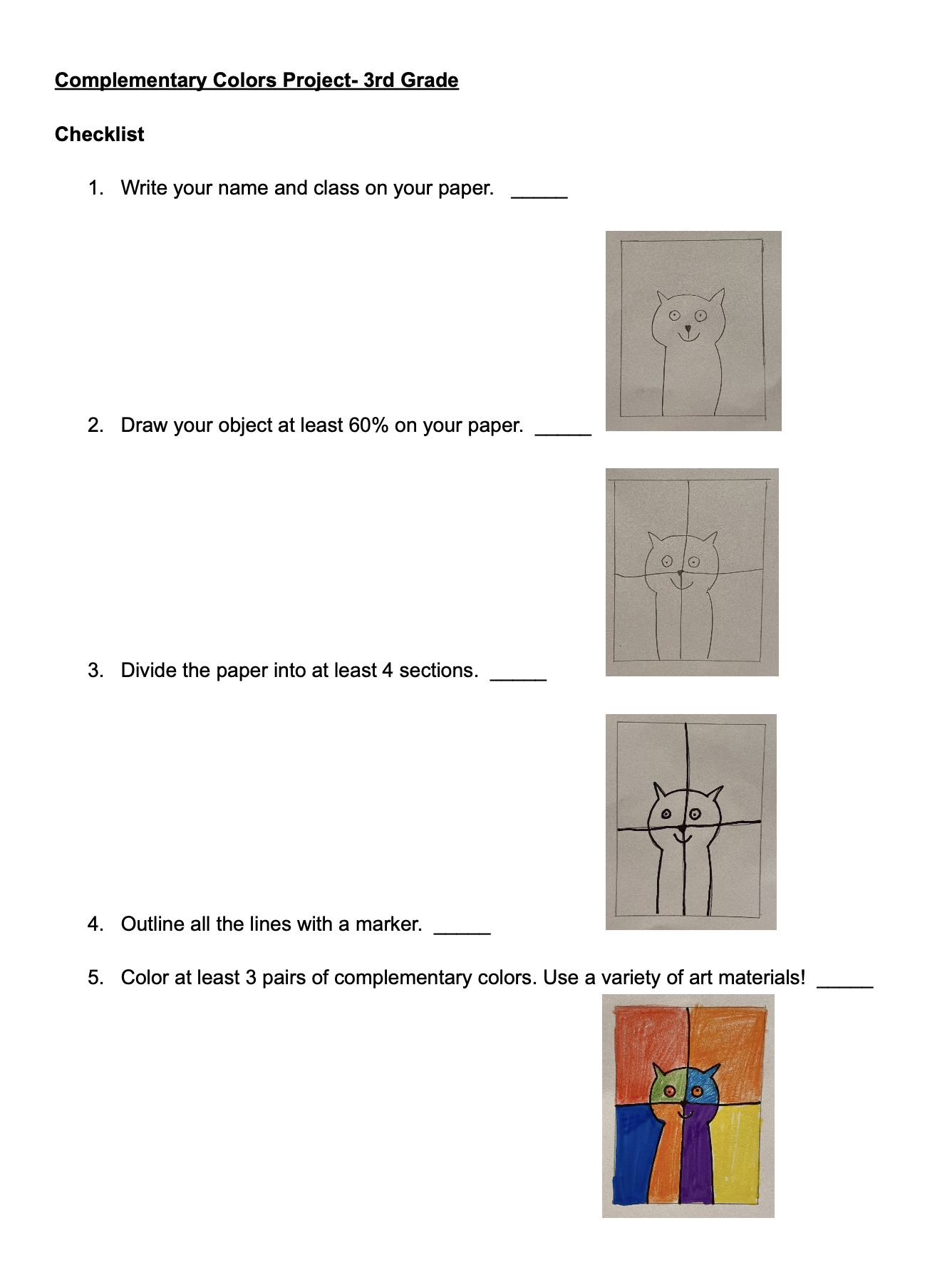
Students learned the definition of “complementary colors”. Students demonstrate that they can identify complementary colors as they create their choice-based artwork.
Artist/artwork studied:
Vincent Van Gogh’s Café Terrace at Night (1888 oil painting).
Q: Which color jumps out when you first see the piece?
A: Yellow’s complementary color is blue. When they are placed side by side, it creates a simultaneous contrast.
National Standards in Art:
VA:Cr1.2.2a- Make art or design with various materials and tools to explore personal interests, questions, and curiosity.
VA:Cr3.1.2a- Discuss and reflect with peers about choices made in creating artwork.
Differentiated instruction:
- A checklist with visual step-by-step instructions to accommodate ELL and students with attention or processing needs.
- Large color wheel displayed at tables.
Closure:
- Gallery walk
- Exit question: “What happens when opposite colors are placed next to each other?”
Grade 3
Positive and Negative Shapes
Key Vocabularies: Symmetry, Positive & Negative
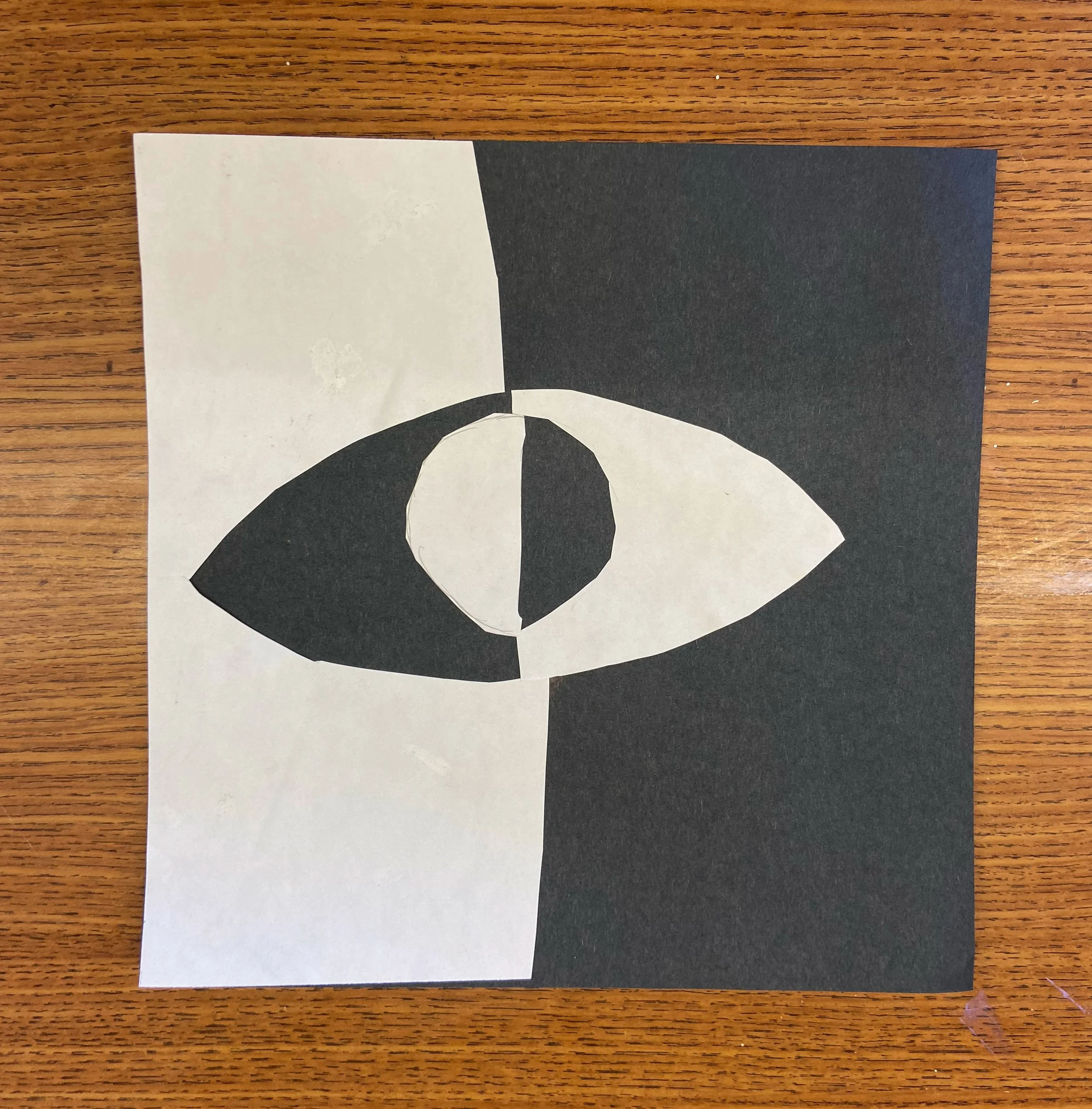
Students learned how to make a symmetrical collage that shows their understand of positive and negative shapes. They studied famous advertising posters that utilizes positive/negative shape designs. They practiced safe handling of art materials.
Essential Question:
Which shape is outlined (positive shape) and which is the background (negative shape)?
National Standards in Art:
VA:Cr1.2.3a- Apply knowledge of available resources, tools, and technologies to investigate personal ideas through the art-making process.
VA:Cr2.1.3a- Create personally satisfying artwork using a variety of artistic processes and materials
VA:Cr2.2.3a- Demonstrate an understanding of the safe and proficient use of materials, tools, and equipment for a variety of artistic processes.
Curriculum Map


Grade 7
Book Cover Design
Software used: Adobe Illustrator & Photoshop
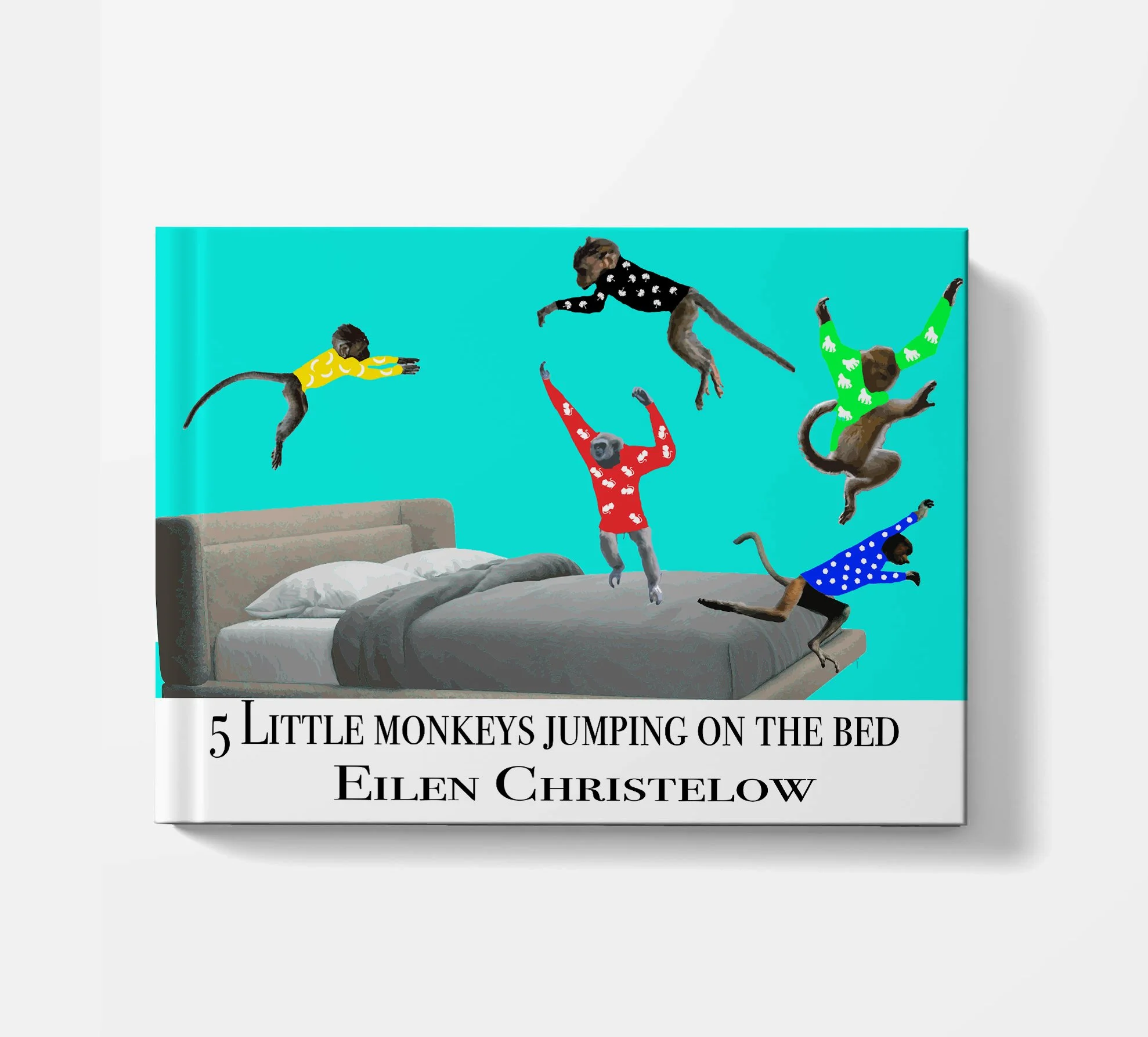
Students learned the concept of visual hierarchy in design and applied this concept by redesigning book covers that included a title, author name, and original imagery.
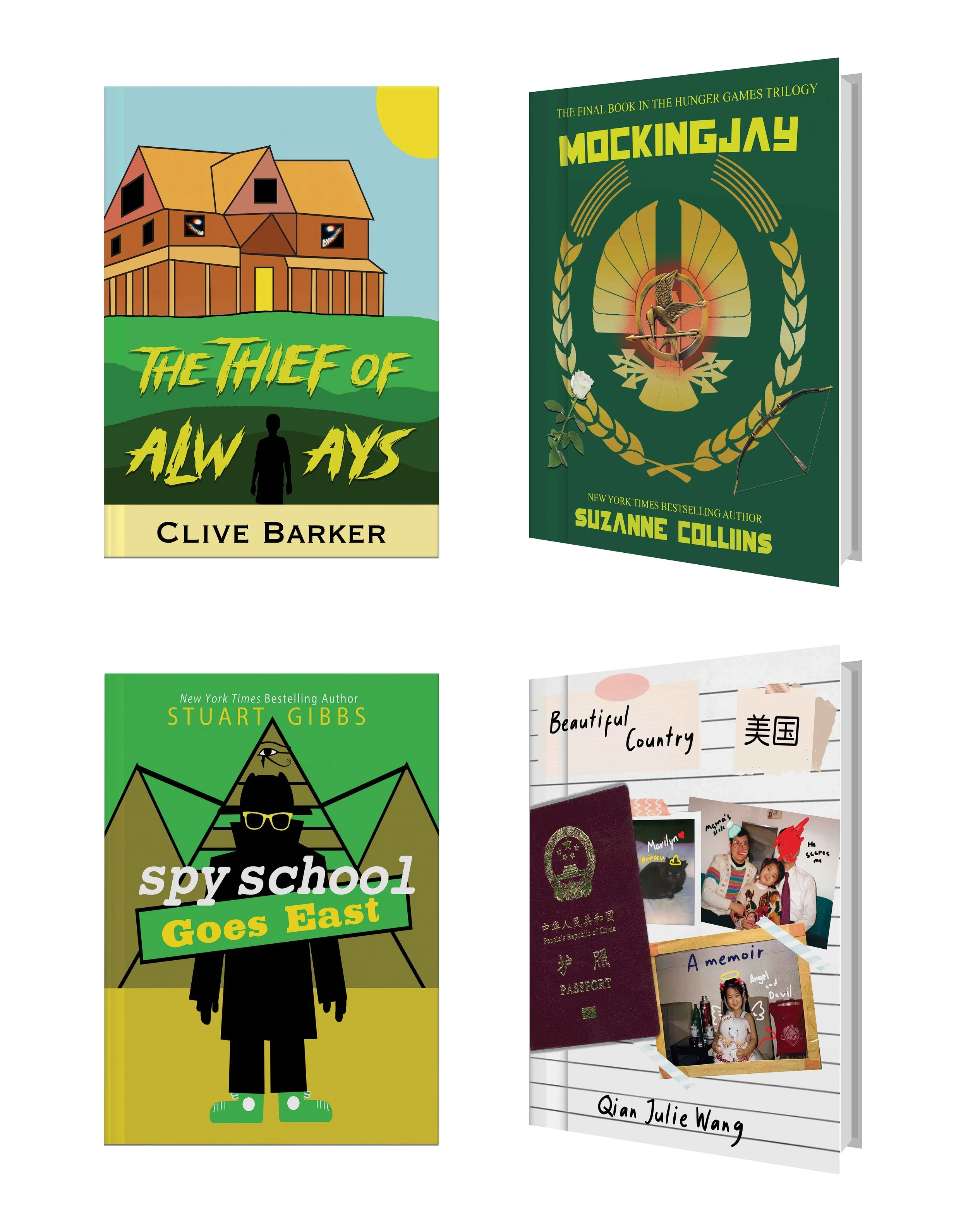
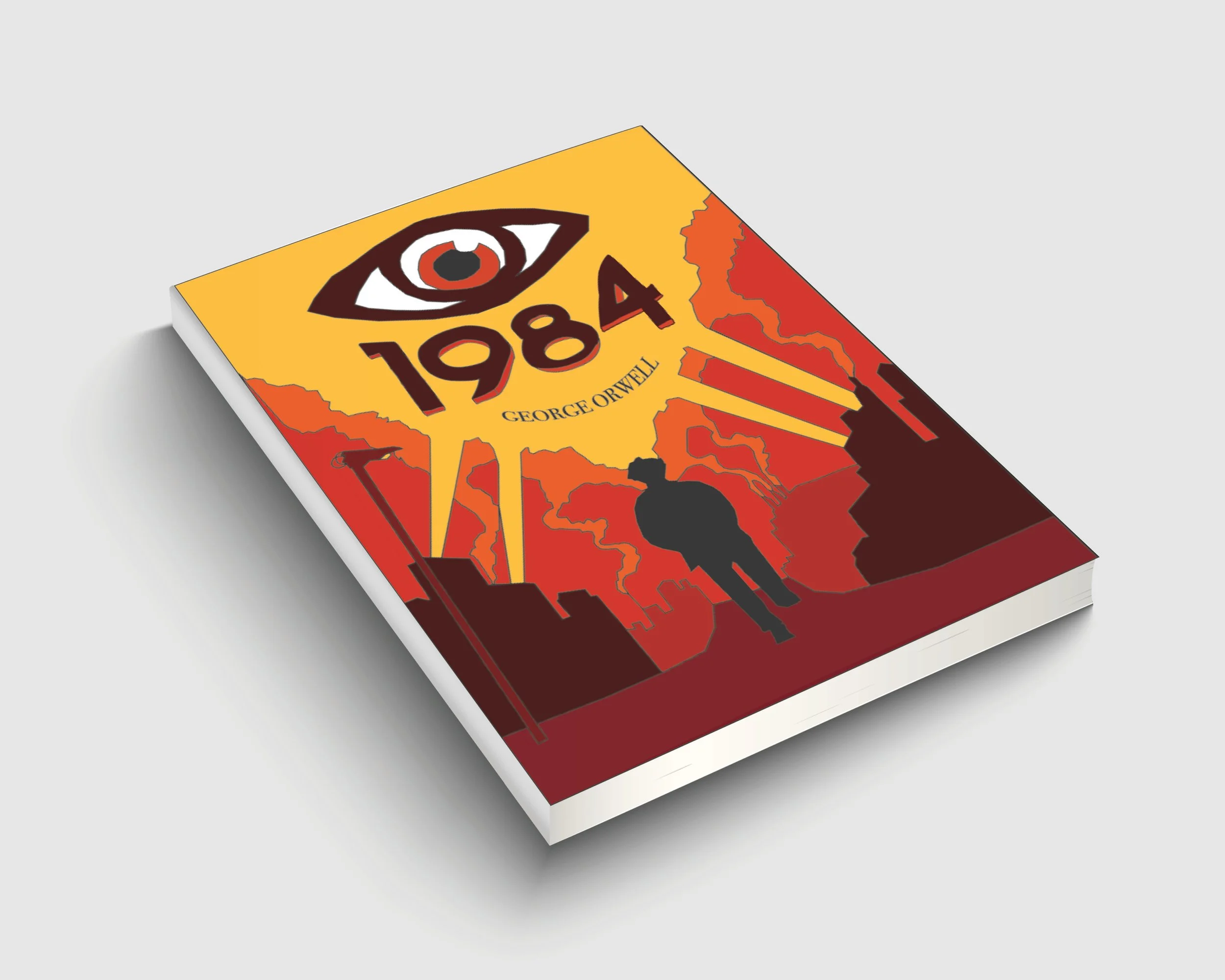
Selected students’ works.
Grade 6 & 7
Event Flyer Design
Software used: Adobe Photoshop
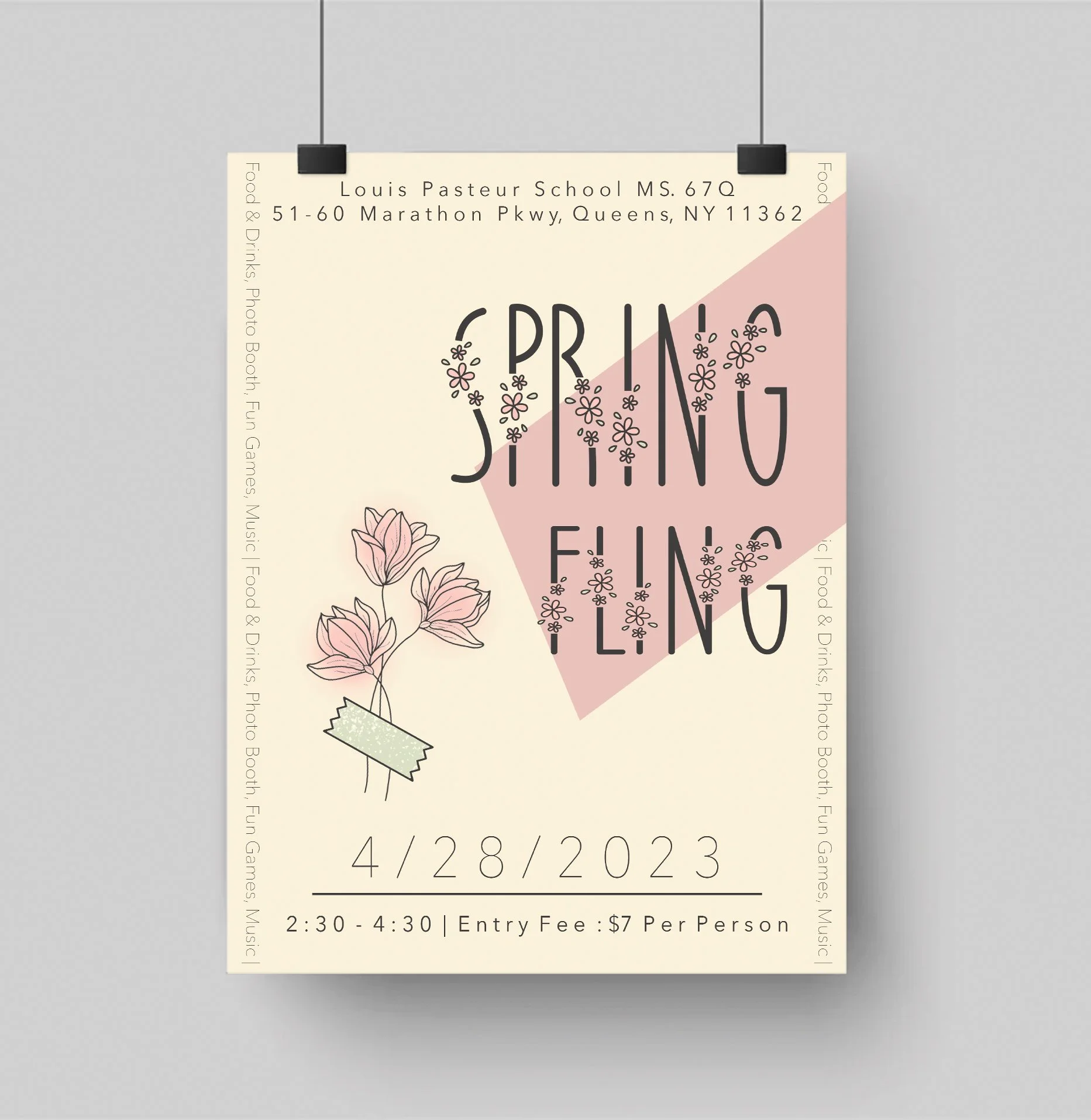
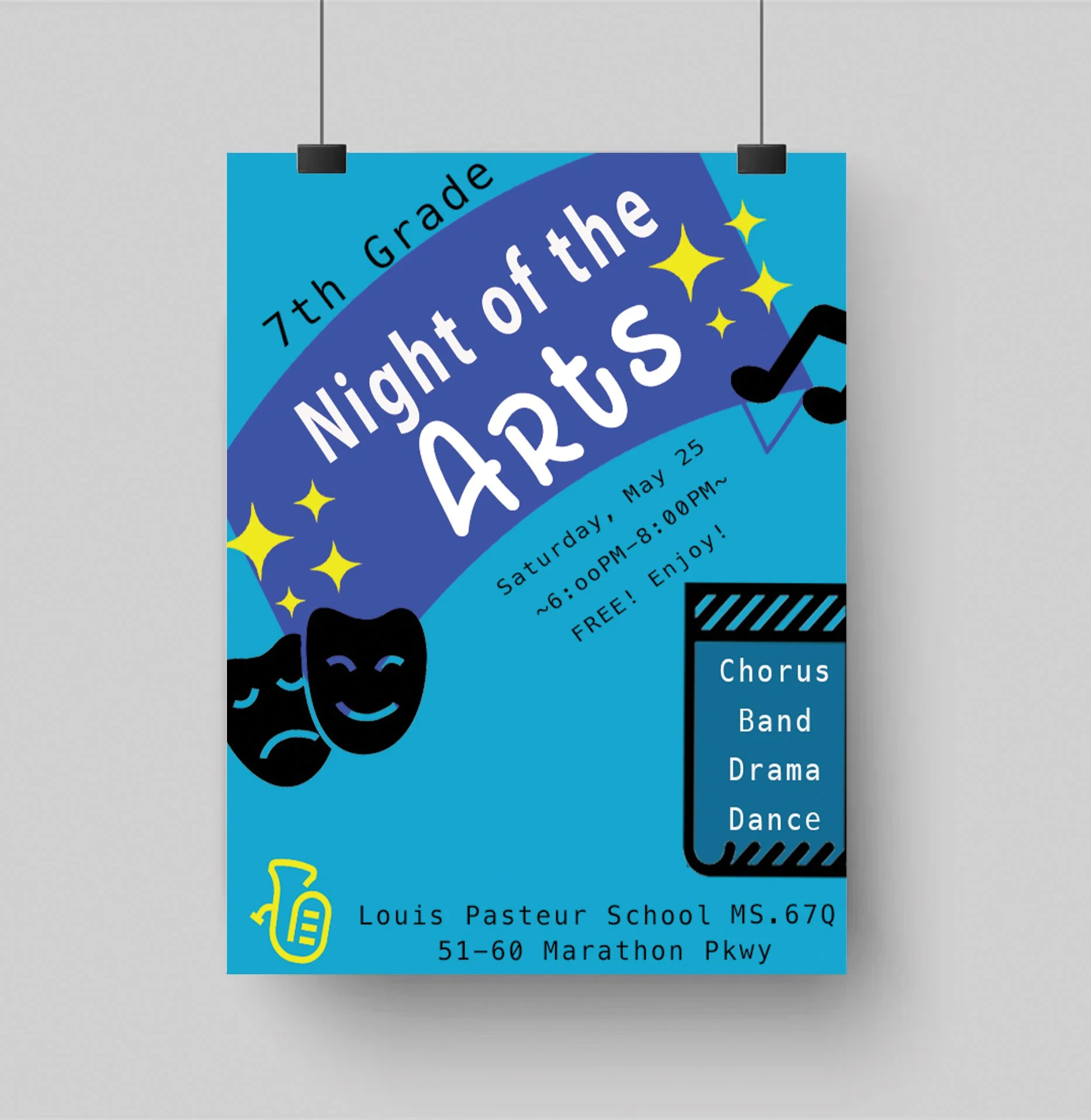
Students learned how to select images that relate to their event, group text within or around those images, and choose and apply a color scheme using the Color Overlay tool.
Grade 6 & 7
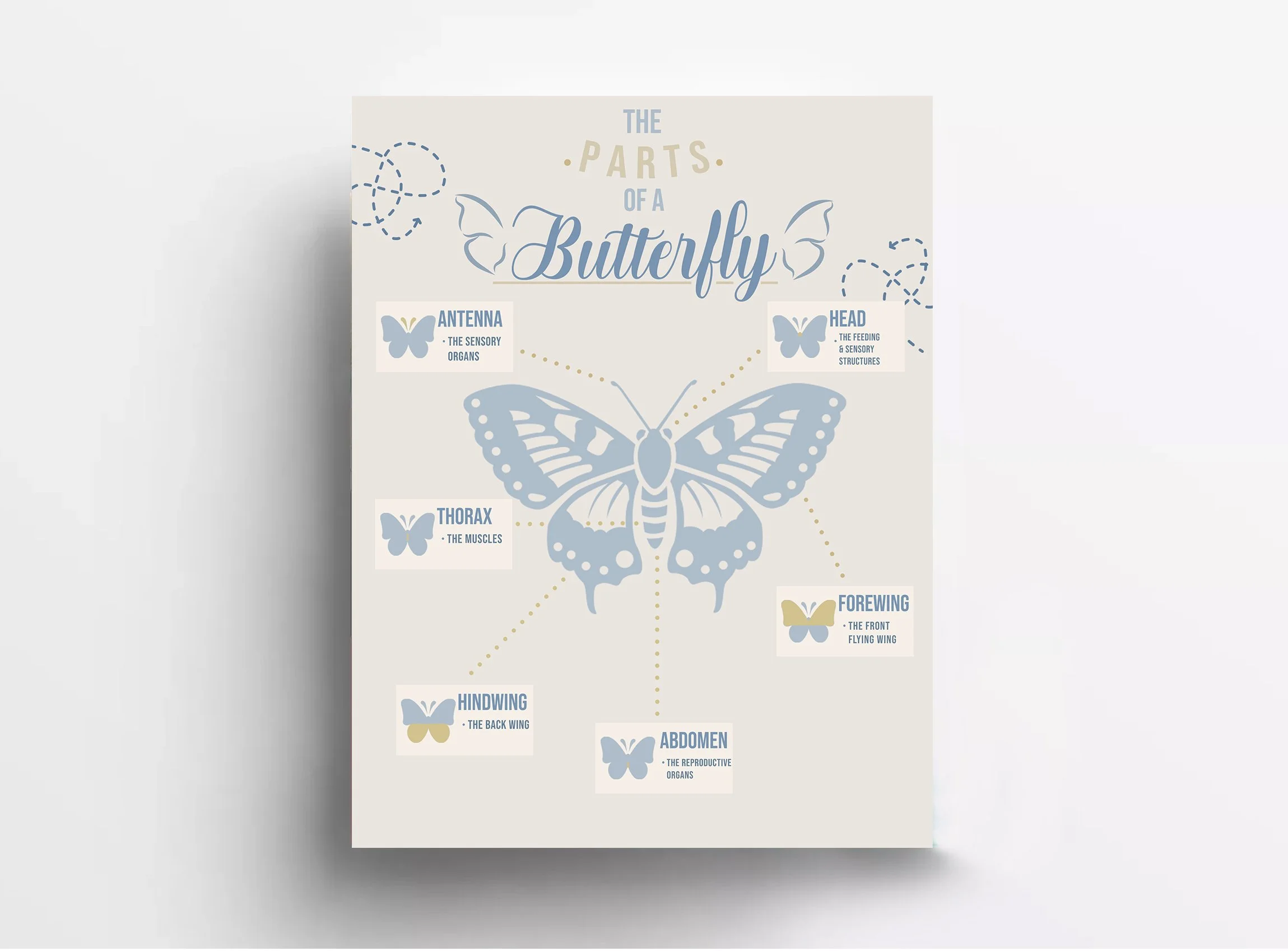
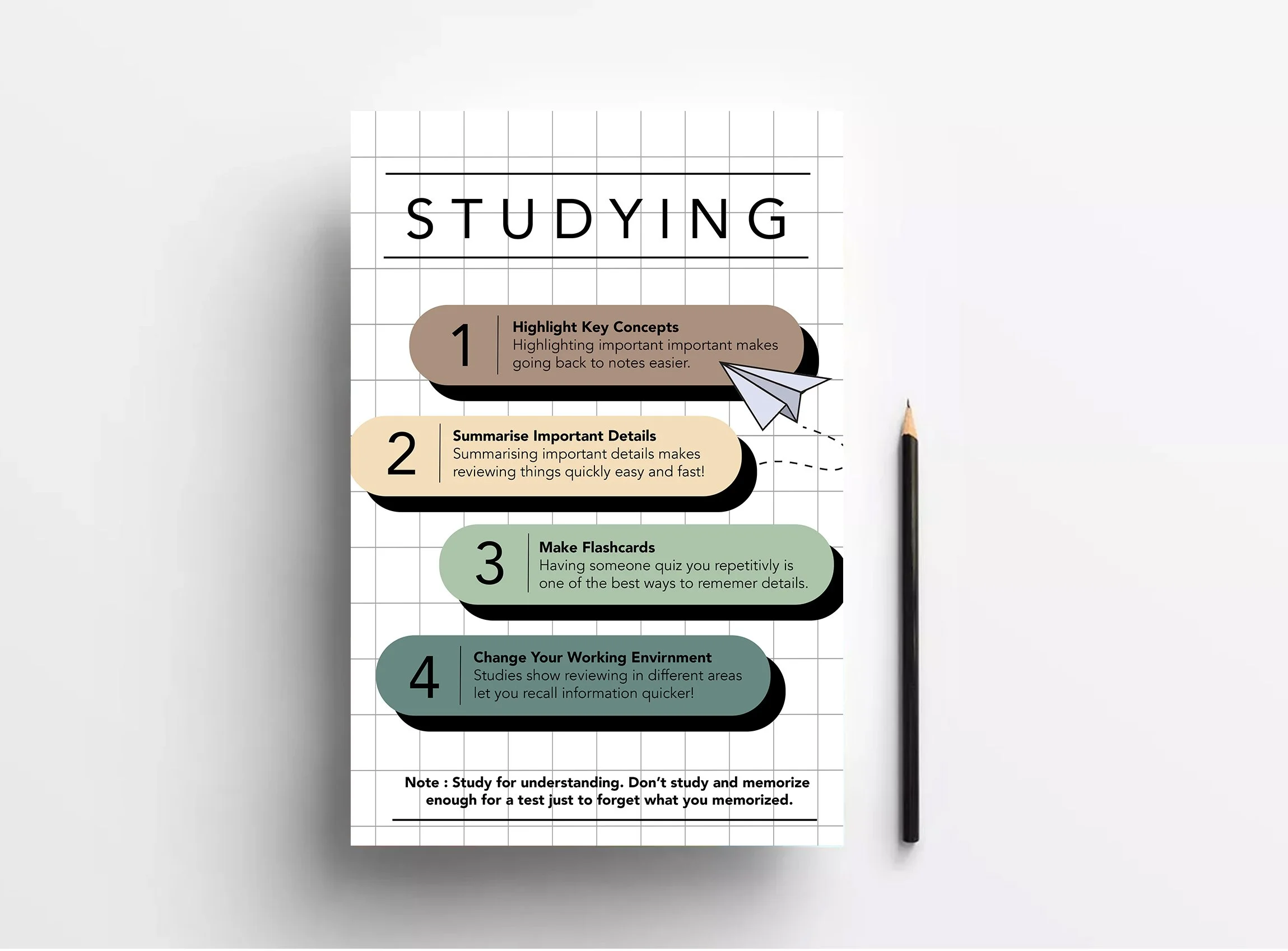
Infographic Design
Software used: Adobe Illustrator
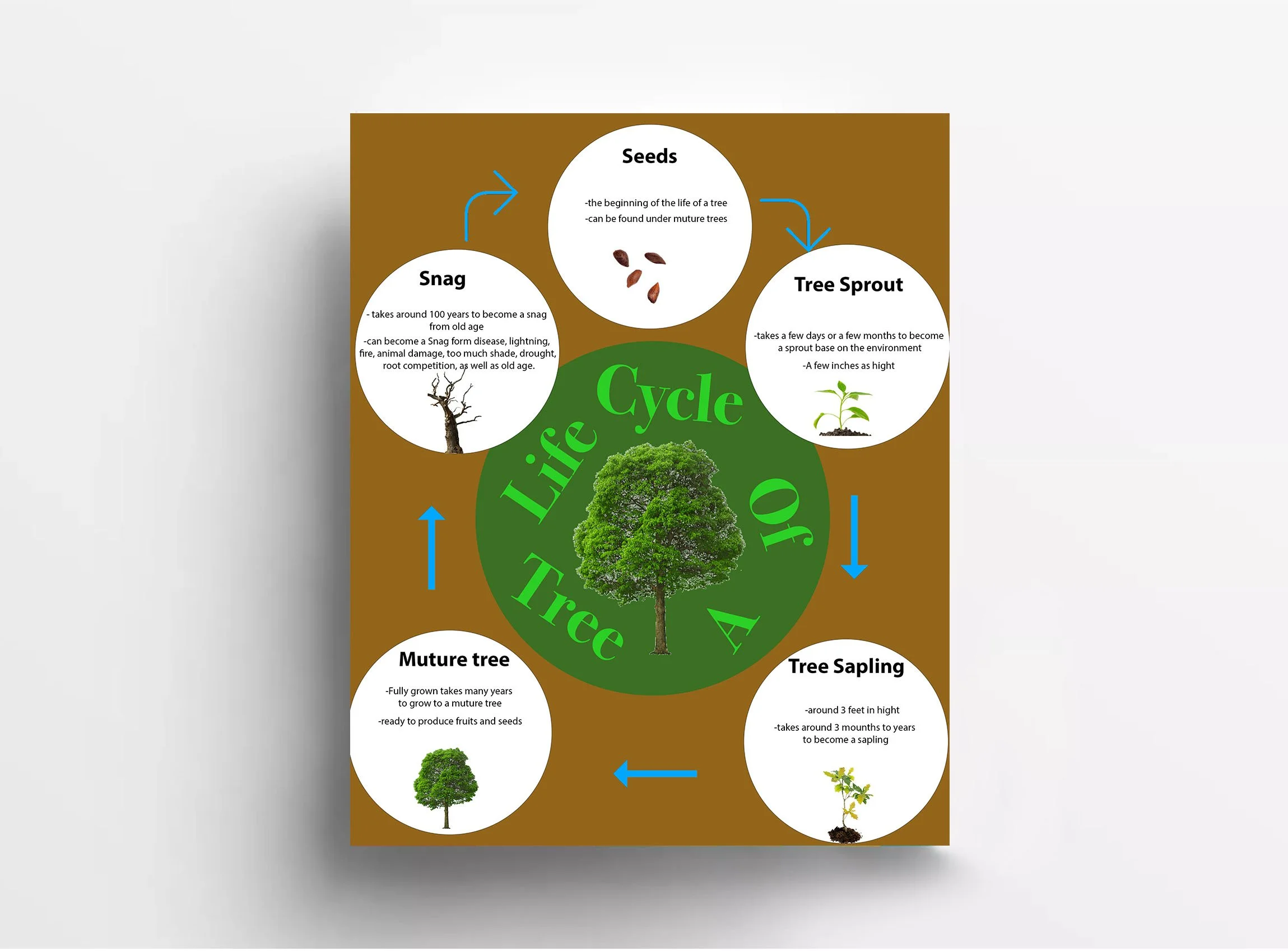
Learning Objective: Students will design an infographic on a topic of their choice that demonstrates an understanding of layout, composition, and grouping using Illustrator.
Grade 6
Manipulative Image
Software used: Adobe Photoshop
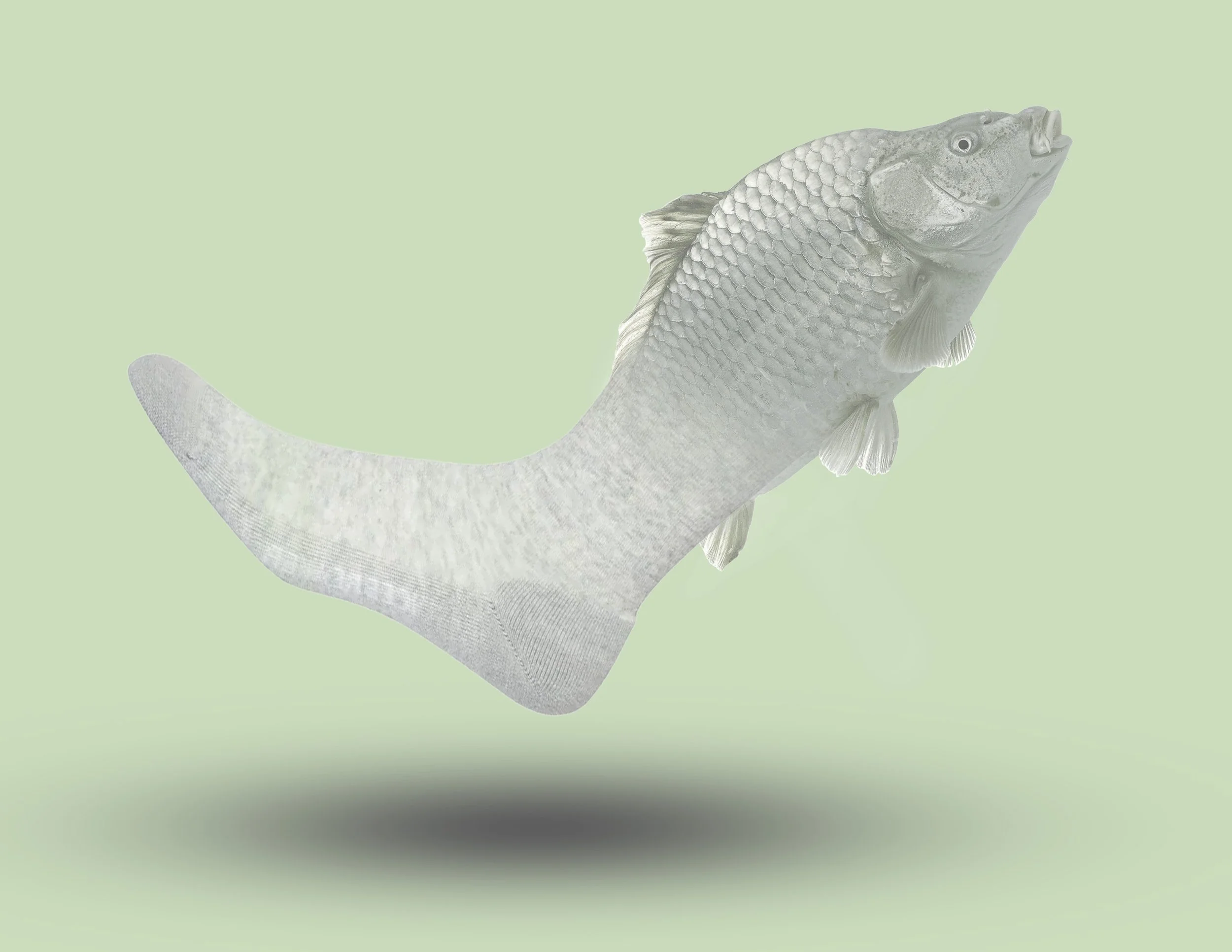
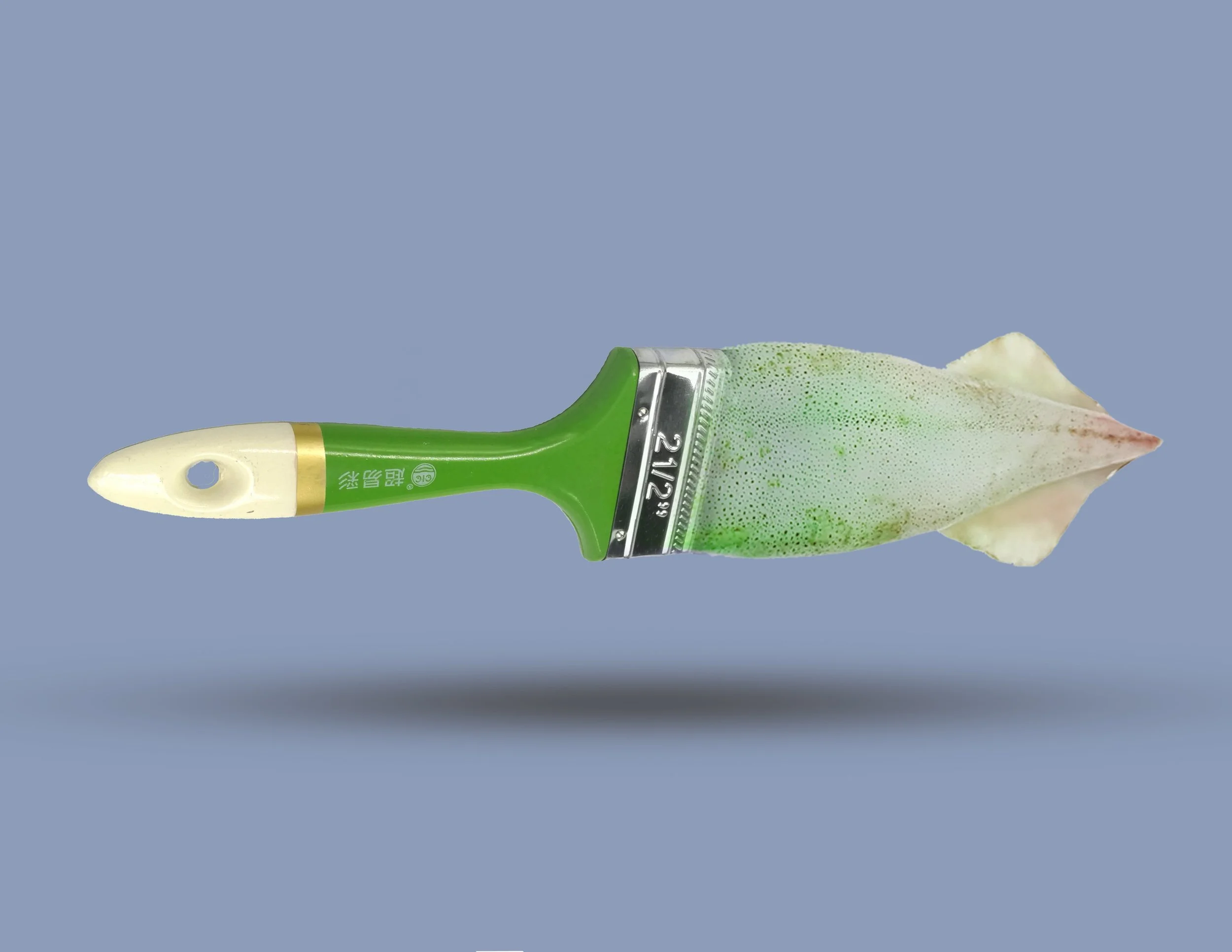
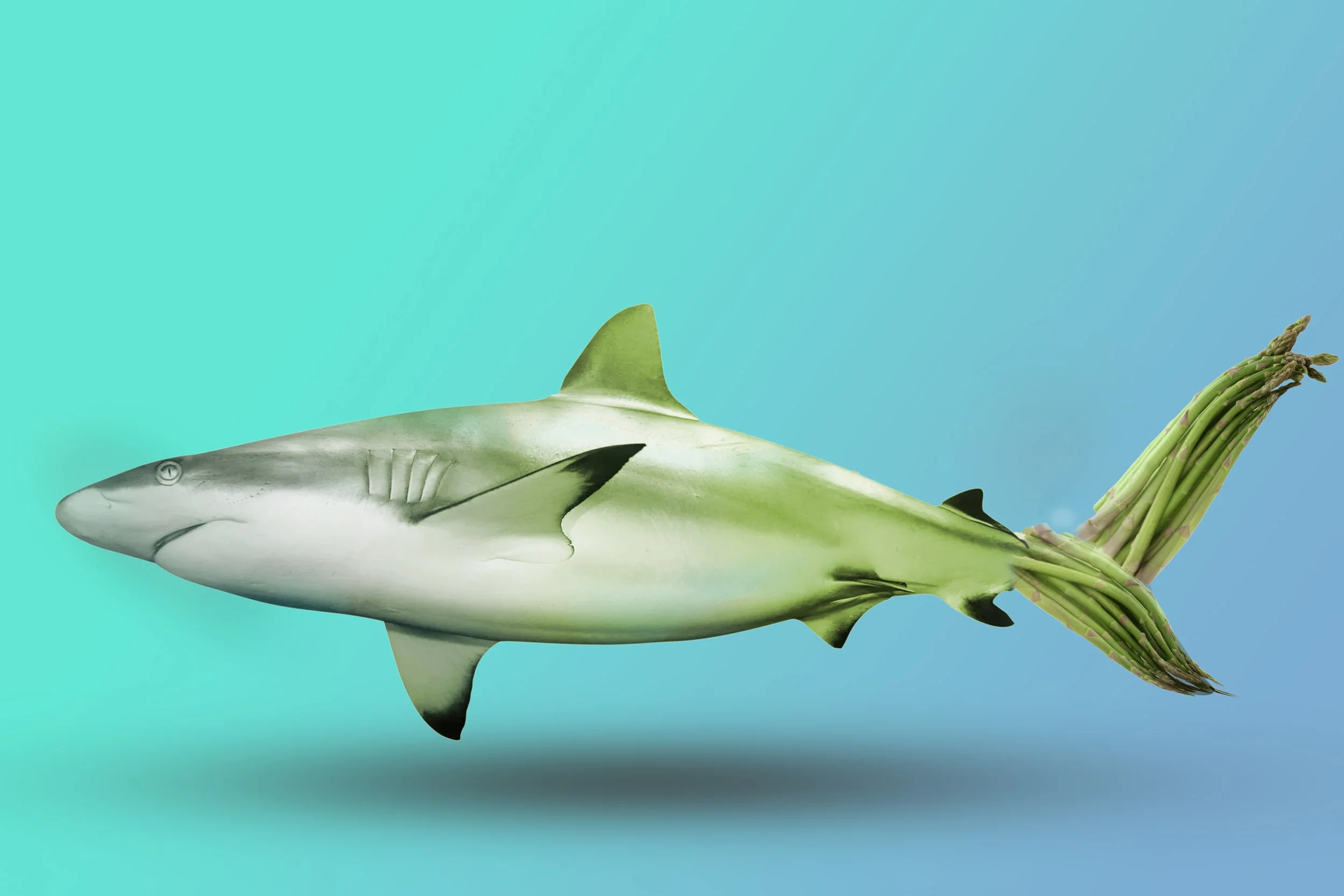
Students learned how to use the Layer Mask and Layer Adjustment tool in Photoshop to combine living and non-living images into one.